From Weekend Warrior to Everyday Aches: Why Your Pain Might Be More Than Just Overuse

Weekend athlete

When the Weekend Catches Up With You

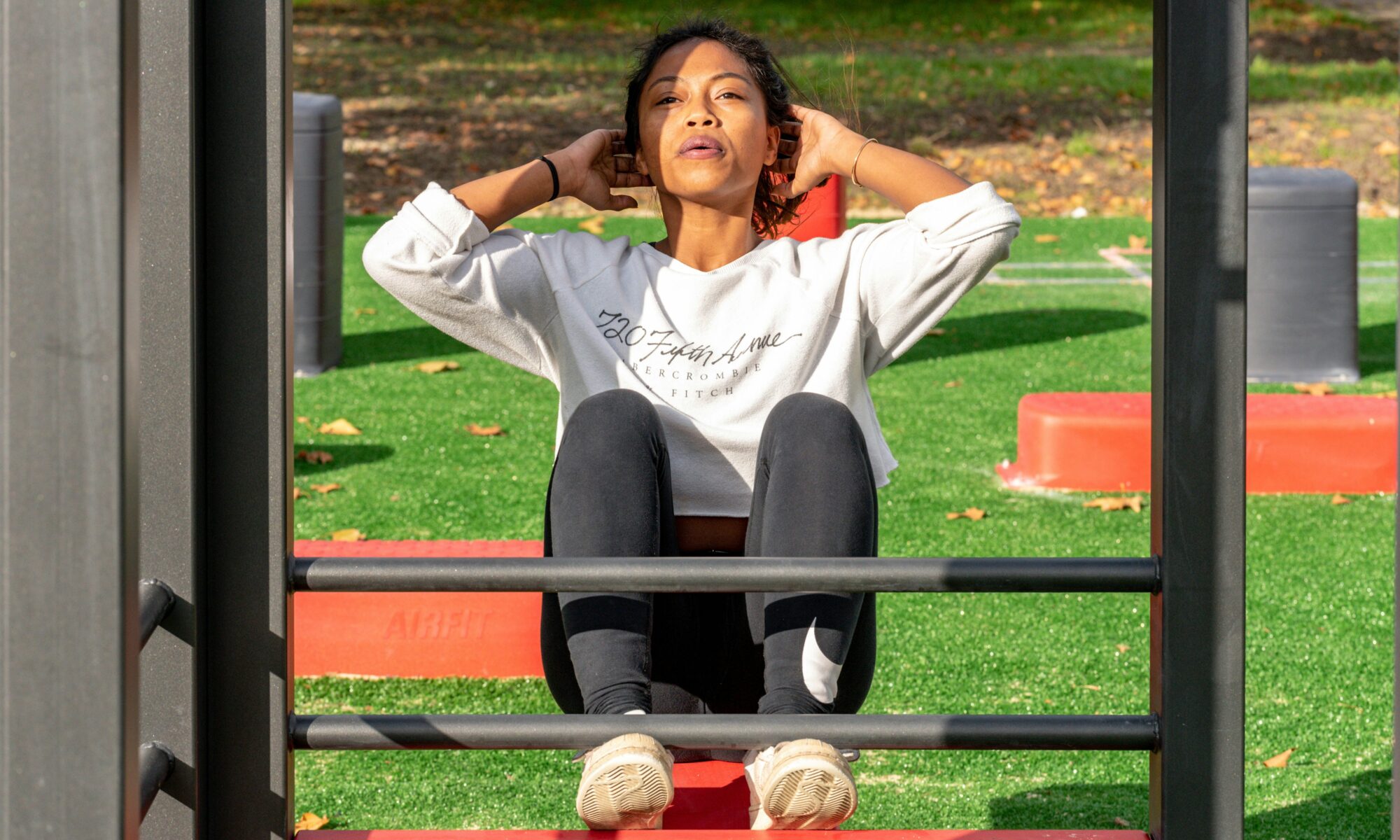
You know the feeling. It’s Monday morning, and after a weekend of hiking the Wasatch, dominating your pickleball league, or just getting a little too enthusiastic about yardwork—you wake up stiff, sore, and wondering if you’ve suddenly aged 10 years overnight.

Welcome to the world of the weekend warrior—the hardworking adults who give 100% at their job all week and then give 120% on the field, trail, or court over the weekend. While staying active is vital for your health, sudden bursts of activity after a sedentary week can lead to microtears, joint strain, and inflammation that your body isn’t quite ready for.

That’s where Vector Spine and Sport steps in. We help weekend warriors recover from overuse injuries, chronic aches, and those “mystery pains” that sneak up after an intense workout.


Common Weekend Warrior Injuries

It’s not just elite athletes who get hurt. The truth is, weekend warriors experience many of the same injuries—just without the pro trainers and recovery teams. Some of the most common injuries we treat at our Murray chiropractic clinic include:

  • Low back pain and stiffness from lifting, running, or improper form
  • Shoulder pain from throwing, swimming, or weight training
  • Knee pain and tendonitis from hiking, cycling, or running
  • Tennis and golfer’s elbow from gripping and repetitive strain
  • Plantar fasciitis and Achilles tendon pain from long hours on your feet

Each of these conditions shares a common thread: muscle imbalance, repetitive stress, or poor biomechanics—things chiropractic care and shockwave therapy directly address.


How Chiropractic Care Helps You Bounce Back

At Vector Spine and Sport, chiropractic treatment isn’t just about “cracking your back.” It’s about improving your body’s movement and mechanics so you can perform better and recover faster.

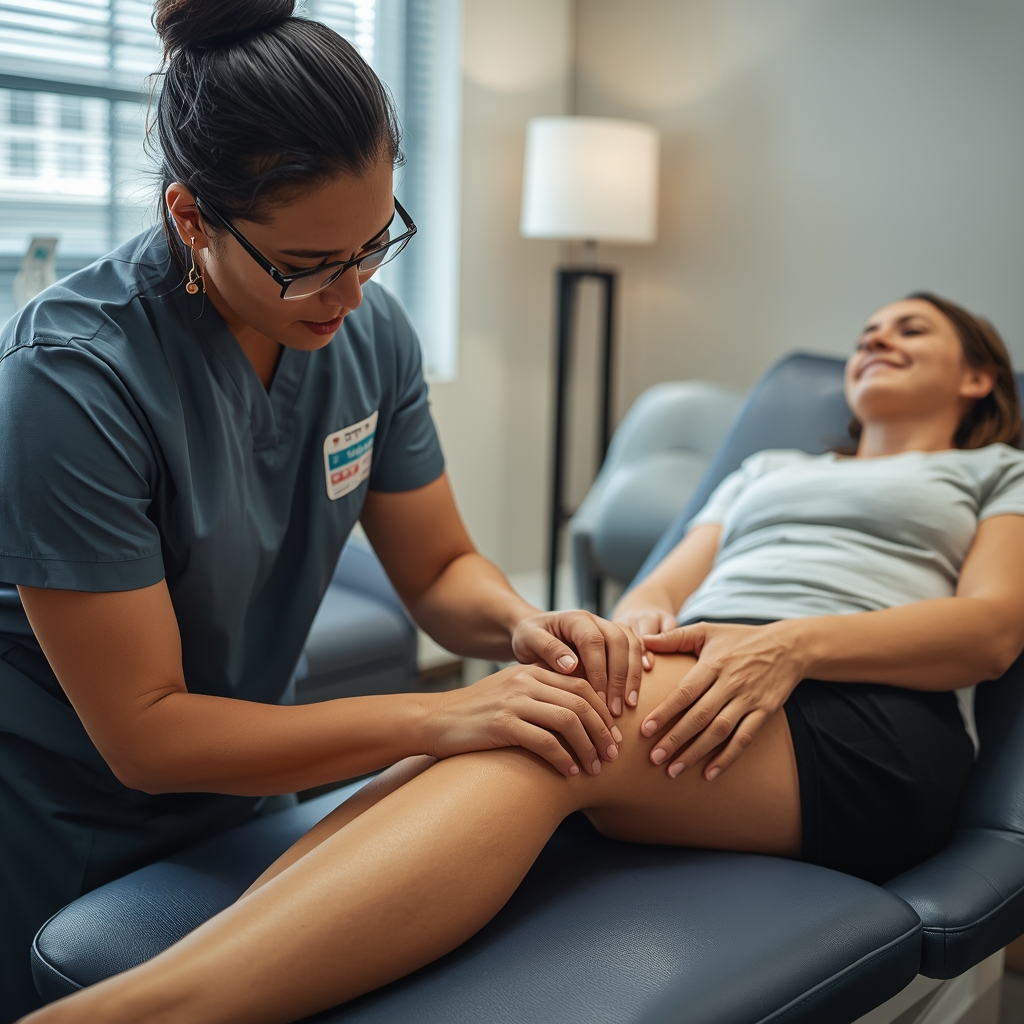
Dr. Jacob Reesor performs targeted spinal and joint adjustments to restore motion, reduce inflammation, and relieve nerve pressure that contributes to stiffness and pain. Adjustments can also help improve flexibility, coordination, and posture—all critical for preventing recurring injuries.

Studies have shown that chiropractic adjustments improve neuromuscular control, reduce pain, and can enhance athletic performance. A 2022 study in the Journal of Manipulative and Physiological Therapeutics found that spinal manipulation helps improve joint function and proprioception—your body’s awareness of movement and position.

In short: Chiropractic care keeps your body moving the way it was designed to move.


Shockwave Therapy: Your Secret Recovery Weapon

If your pain has lingered for weeks—or even months—after rest, stretching, or massage, you might be dealing with a chronic soft-tissue condition like tendonitis or fascia irritation.

Shockwave therapy (EPAT) is one of the most effective non-invasive tools for these stubborn injuries. It works by delivering acoustic pressure waves deep into the tissue, triggering the body’s natural repair mechanisms. This increases blood flow, stimulates cell regeneration, and breaks down scar tissue.

Clinical research has shown impressive results:

  • A 2023 meta-analysis in Frontiers in Immunology found that shockwave therapy significantly improves pain and function for conditions like plantar fasciitis, Achilles and patellar tendinopathy (PMC10468604).
  • Another study in the American Journal of Sports Medicine found that 90% of patients with chronic patellar tendinopathy improved with shockwave compared to only 50% with conservative care.

At Vector Spine and Sport, we use both focused and radial shockwave technology, allowing us to treat both surface-level and deep-tissue injuries. Most patients notice improvement within just a few sessions.


Why Combining Chiropractic and Shockwave Works Best

Here’s the secret sauce: chiropractic and shockwave work best together.
While chiropractic care restores alignment and improves movement patterns, shockwave accelerates tissue healing at the cellular level. This one-two punch helps you heal faster, move better, and reduce your risk of reinjury—without relying on medications or surgery.


How to Prevent Future Weekend Warrior Injuries

The best injury is the one you never get. Here are Dr. Reesor’s top prevention tips for weekend warriors:

  • Warm up properly. A 5–10 minute dynamic warm-up can make a huge difference.
  • Build strength gradually. Don’t go from couch to competition in one weekend.
  • Stay hydrated. Muscles and joints function best when properly hydrated.
  • Get adjusted regularly. Prevent stiffness and poor mechanics from setting you back.
  • Recover like a pro. Use shockwave, laser, and stretching to keep your body tuned up.

Ready to Feel Better and Move Better?

You don’t have to let nagging pain or stiffness keep you off the court—or the trail. Whether you’re recovering from a sports injury or trying to prevent one, the team at Vector Spine and Sport in Murray, Utah is here to help you get back to doing what you love—safely and pain-free.

Plantar Fasciitis: Why Your Heel Hurts and How to Fix It

Plantar fasciitis

What is Plantar Fasciitis?

Plantar fasciitis is one of the most common causes of heel pain. It happens when the thick band of tissue (plantar fascia) running along the bottom of your foot becomes irritated or inflamed. Think of it like a bowstring that supports your arch — when overstressed, it can create tiny tears that lead to stabbing heel pain, especially in the morning.

Common Causes

Plantar fasciitis doesn’t discriminate. We see it in:

  • Runners and athletes who place repeated stress on the fascia
  • People on their feet all day (nurses, teachers, warehouse workers)
  • Weekend warriors who jump back into sports without proper warm-up
  • Those with flat feet or very high arches
  • Weight gain or poor footwear choices, which increase stress on the heel

Symptoms to Watch For

  • Sharp heel pain with first steps in the morning
  • Pain after sitting for long periods
  • Worsening discomfort after activity
  • Tenderness at the bottom of the heel

Ignoring these symptoms often leads to chronic pain that can limit daily activities and even change how you walk — creating new problems in your knees, hips, and back.

Evidence-Based Treatment Options

At Vector Spine and Sport, we believe in treating the root cause, not just masking symptoms. Here’s how we approach plantar fasciitis:

1. Chiropractic Care

Chiropractic adjustments can improve foot and ankle biomechanics, taking stress off the plantar fascia. By aligning the spine and lower extremities, we support better movement patterns and healing.

2. Shockwave Therapy (EPAT)

Shockwave therapy delivers sound waves into the injured fascia, stimulating the body’s natural healing response. Research shows it improves blood flow, breaks up scar tissue, and reduces inflammation for long-term pain relief (Yapici et al., 2023; Charles et al., 2023).

Benefits of Shockwave Therapy:

  • Non-invasive, no downtime
  • FDA-cleared and clinically proven
  • Often effective when other treatments fail
  • Safe alternative to injections or surgery

3. Deep Tissue Laser Therapy

Laser therapy helps control inflammation and accelerate healing in the fascia, complementing shockwave therapy and chiropractic adjustments.

4. Lifestyle & Rehab Exercises

We provide specific stretches and strengthening routines patients can do at home to improve flexibility and resilience of the foot. Proper footwear advice is also key.

What to Expect at Your First Visit

When you come to Vector Spine and Sport for plantar fasciitis treatment, Dr. Jacob Reesor will:

  • Perform a thorough consultation and exam
  • Identify the root cause of your heel pain
  • Create a personalized plan that may include chiropractic, shockwave, laser, and home exercises
  • Explain your options clearly, without pressure or “cookie-cutter” care

Our goal is simple: get you moving again without surgery or unnecessary medication.

Heel pain doesn’t have to sideline your life. If you’re tired of waking up every morning with stabbing pain, it’s time to explore effective, evidence-based solutions.

📍 Visit us at Vector Spine and Sport in Murray, UT
📞 Call/Text: (801) 456-0352
💻 Schedule Online: vectorspineandsport.com

Why Plantar Fasciitis Can’t Be Ignored

Plantar fasciitis

Plantar fasciitis affects over 2 million Americans each year and is one of the most common causes of heel pain. If you wake up with stabbing heel pain or feel discomfort after standing, running, or walking, you’re not alone.

At Vector Spine and Sport in Murray, Utah, we offer evidence-based, non-surgical treatments like Shockwave Therapy and chiropractic care to help you recover faster and get back to the activities you love.


What Is Plantar Fasciitis?

The plantar fascia is a thick band of tissue that connects your heel bone to your toes. Its job is to absorb shock when you walk, run, or jump.

When this tissue becomes inflamed or irritated, it leads to sharp, stabbing pain—especially with your first steps in the morning or after prolonged sitting.

Common symptoms include:

  • Heel pain worse in the morning or after rest
  • Stiffness or tightness in the arch of the foot
  • Swelling or tenderness at the heel

Risk Factors for Plantar Fasciitis

You may be at higher risk if you:

  • Have flat feet or high arches
  • Are on your feet all day at work
  • Wear unsupportive footwear
  • Are a runner or active athlete
  • Have tight calf muscles or Achilles tendons

Evidence-Based Treatment Options

Here’s a step-by-step guide to the most effective treatments for plantar fasciitis:


1. Shockwave Therapy (EPAT/ESWT)

Shockwave Therapy is one of the most advanced, FDA-cleared treatments for chronic plantar fasciitis. It works by delivering acoustic sound waves into the injured tissue, stimulating your body’s natural healing process.

Benefits include:

  • Improved blood flow
  • Reduced inflammation
  • Stimulated collagen production for tissue repair
  • Pain relief in as few as 1–5 sessions
  • Most treatment plans are between 3-8 visits

Research Evidence:

  • A 2023 Systematic Review found Shockwave Therapy significantly reduced pain and improved function in plantar fasciitis patients (NIH Study).

What to Expect at Vector Spine and Sport:

  • Quick, non-invasive treatment
  • No anesthesia, no downtime
  • Sessions last 15–20 minutes
  • Most patients resume normal activity the same day

2. Chiropractic Care for Plantar Fasciitis

While many associate chiropractors with the spine, at Vector Spine and Sport, Dr. Jacob Reesor also focuses on the biomechanics of the feet and ankles.

Chiropractic adjustments can:

  • Improve alignment in the foot, ankle, and lower leg
  • Reduce compensatory stress on the plantar fascia
  • Enhance overall mobility and posture

Bonus: Many patients with plantar fasciitis also have lower back or hip dysfunction. Chiropractic care can address the entire kinetic chain for better long-term outcomes.


3. Physical Therapy and Home Exercises

Stretching and strengthening exercises help:

  • Reduce tension in the plantar fascia
  • Improve calf flexibility
  • Support the arch of the foot

Examples include:

  • Calf stretches against a wall
  • Plantar fascia stretches with a towel
  • Rolling the foot over a frozen water bottle

4. Lifestyle Modifications

  • Switch to supportive footwear with good arch support
  • Use orthotic inserts if recommended
  • Lose excess weight to reduce strain on the feet

5. Other Medical Options

  • NSAIDs: For short-term pain relief only
  • Corticosteroid Injections: May help in severe cases but have risks with repeated use
  • Surgery: Reserved for <5% of patients who fail conservative care after 12 months

Patient Experience at Vector Spine and Sport

When you come to Vector Spine and Sport for plantar fasciitis treatment:

  1. Consultation & Exam – Dr. Reesor evaluates your symptoms, gait, and biomechanics.
  2. Personalized Treatment Plan – May include Shockwave Therapy, chiropractic care, and rehab exercises.
  3. Progress Monitoring – We adjust your plan as you heal.

Most patients report:

  • Pain reduction after the first 1–2 sessions
  • Improved mobility within weeks
  • Long-term relief with continued care and home exercise

Why Choose Vector Spine and Sport in Murray, Utah?

  • Evidence-based care backed by research
  • Non-invasive, drug-free solutions
  • Focus on root causes, not just symptoms
  • Personalized treatment plans tailored to each patient

Call to Action

Don’t let heel pain slow you down. Schedule your Shockwave Therapy consultation today at Vector Spine and Sport in Murray, Utah, and take the first step toward lasting relief.

Book Online