Shoulder Pain: Why It Happens and How to Treat It Without Surgery

Shoulder pain treatment

What You’ll Learn in This Article

  • What causes shoulder pain and why it often doesn’t resolve on its own
  • Common shoulder conditions like rotator cuff irritation, bursitis, and tendonitis
  • Why rest and medication may not be enough for lasting relief
  • How chiropractic care restores shoulder and neck biomechanics
  • How shockwave therapy helps stimulate healing in chronic shoulder injuries
  • When to seek care and how early treatment improves outcomes

Shoulder Pain Is More Than Just a Shoulder Problem

Shoulder pain has a way of sneaking into daily life. It might start as a mild ache when reaching overhead, lifting weights, or sleeping on your side. Over time, that ache can turn into sharp pain, weakness, limited motion, or even pain that radiates into the neck or arm.

At Vector Spine and Sport in Murray, Utah, we see shoulder pain in people of all activity levels — office workers, athletes, weekend warriors, and those recovering from auto accidents. One of the most important things patients learn is this: shoulder pain rarely exists in isolation. The shoulder depends heavily on proper movement of the neck, upper back, and surrounding muscles to function normally.


Common Causes of Shoulder Pain

The shoulder is one of the most mobile joints in the body, which also makes it vulnerable to injury and overuse. Some of the most common causes we see include rotator cuff irritation, shoulder bursitis, tendonitis, impingement, and muscular imbalance. These issues often develop gradually due to repetitive motion, poor posture, or weakness in supporting muscles.

Trauma such as a fall or car accident can also disrupt shoulder mechanics, leading to inflammation and reduced range of motion. Even sleeping positions and prolonged desk work can contribute by placing the shoulder in compromised positions for extended periods.


Why Shoulder Pain Often Becomes Chronic

Many patients try to “push through” shoulder pain, assuming it will resolve with time. Others rely on rest, ice, anti-inflammatory medications, or cortisone injections. While these approaches may temporarily reduce pain, they often fail to address the underlying issue — impaired movement, tissue degeneration, or poor biomechanics.

When shoulder tissues don’t receive adequate blood flow and mechanical stimulation, healing slows. Over time, tendon fibers can weaken, scar tissue can develop, and pain becomes persistent rather than occasional.


How Chiropractic Care Supports Shoulder Recovery

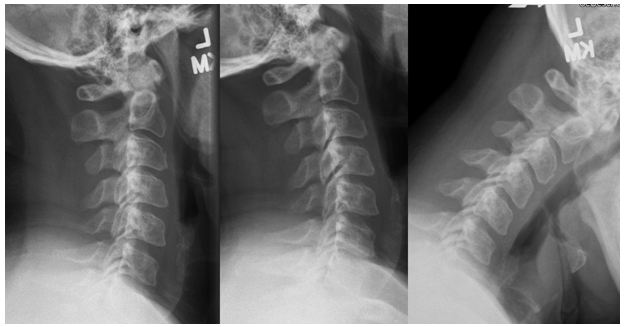
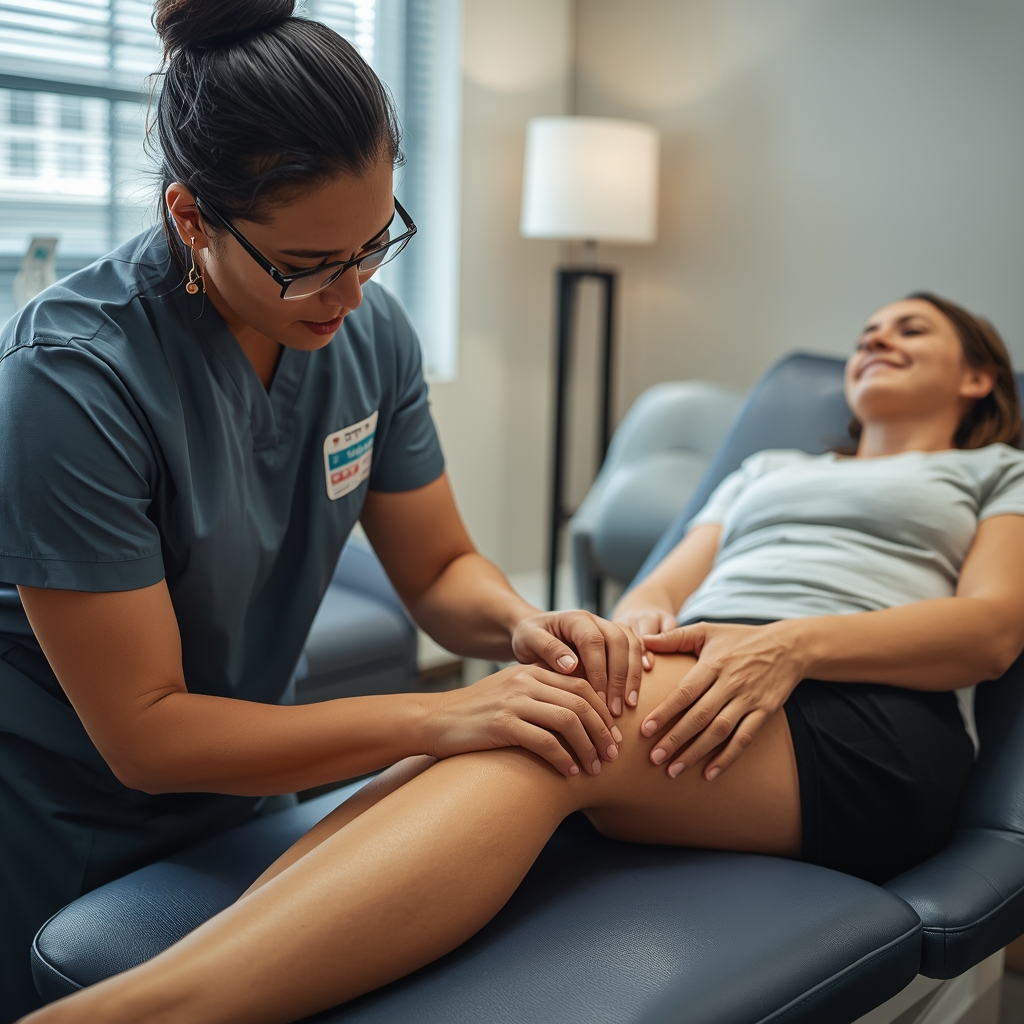
Chiropractic care plays a critical role in shoulder rehabilitation by addressing the areas that influence shoulder function — especially the neck and upper back. Restricted motion in these regions can change how the shoulder moves, increasing strain on tendons and muscles.

At Vector Spine and Sport, Dr. Jacob Reesor evaluates the entire kinetic chain, not just the painful area. Gentle, evidence-based chiropractic adjustments help restore proper joint motion, reduce compensatory patterns, and improve nerve communication. When the spine and shoulder move more efficiently, inflammation decreases and pain often improves naturally.

Patients frequently notice better mobility, reduced stiffness, and increased strength when the shoulder is no longer forced to compensate for surrounding dysfunction.


Shockwave Therapy: A Powerful Option for Shoulder Pain

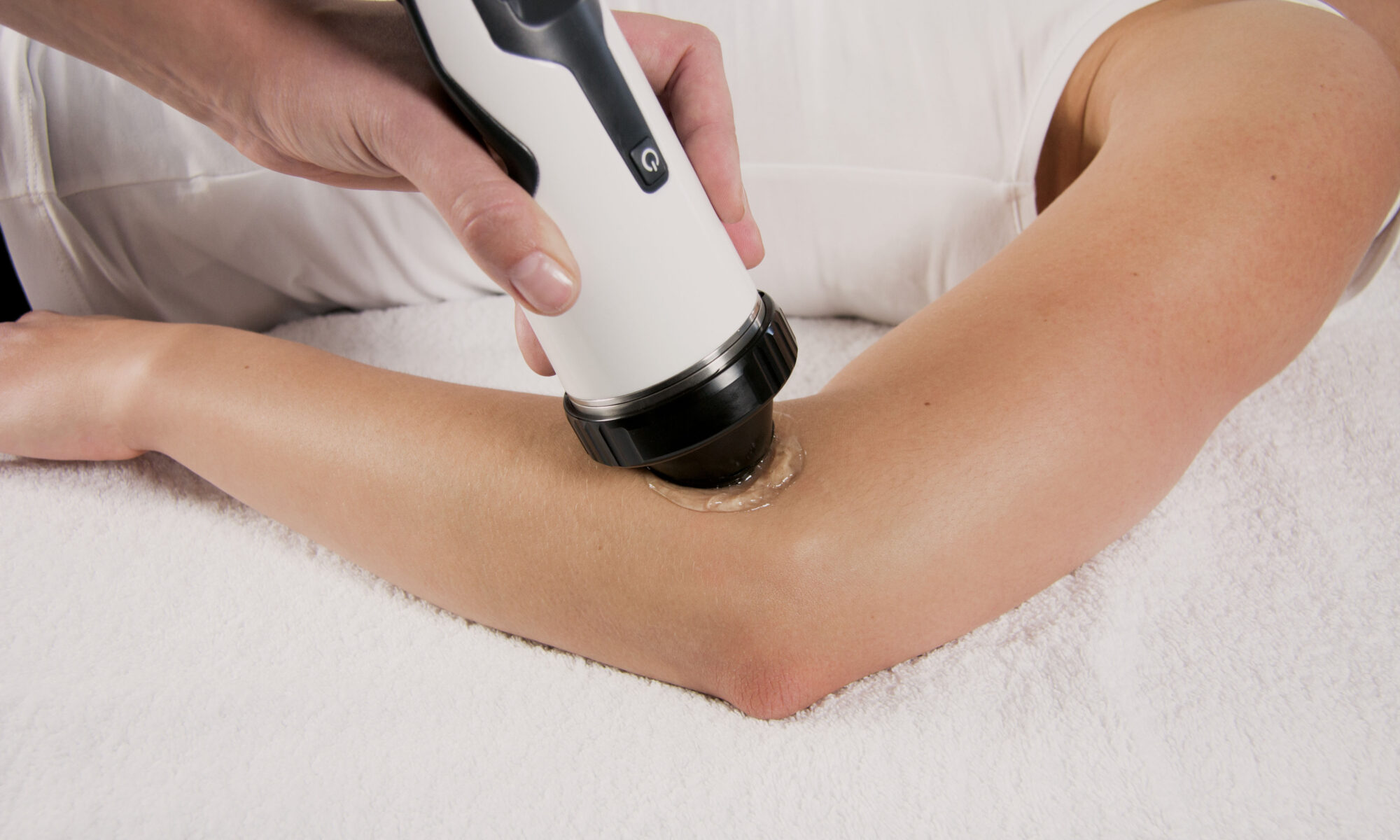
For chronic or stubborn shoulder pain, Shockwave Therapy (EPAT) is one of the most effective non-surgical options available. Shockwave therapy uses acoustic sound waves to stimulate blood flow, promote cellular repair, and break down scar tissue within irritated tendons and muscles.

Clinical research supports shockwave therapy for shoulder conditions such as rotator cuff tendinopathy and calcific tendonitis. Studies published in journals like The American Journal of Sports Medicine and Clinical Orthopaedics and Related Research have shown improved pain and function compared to conservative care alone.

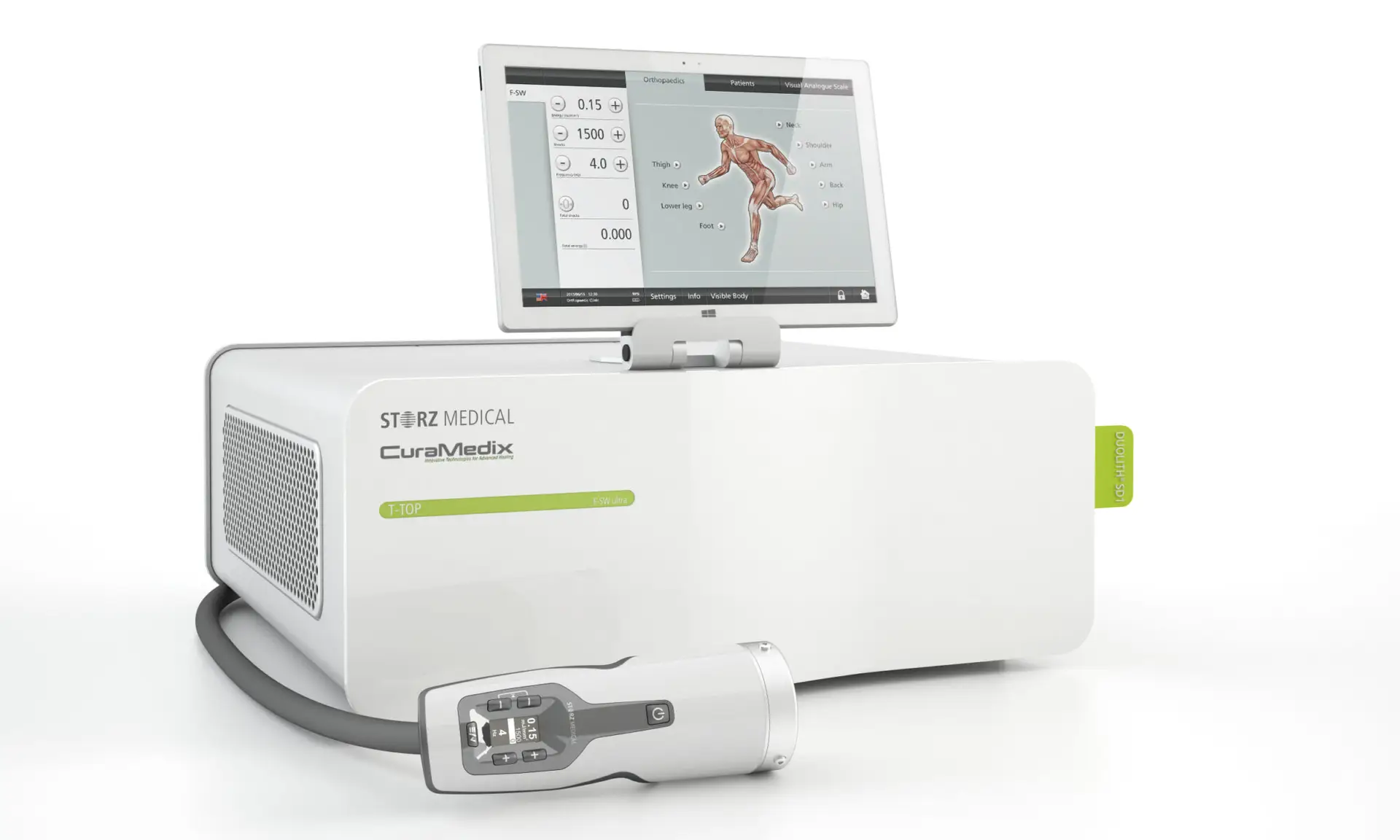
At Vector Spine and Sport, we use both focused and radial shockwave technology, allowing treatment to be tailored based on the depth and type of tissue involved. Sessions are quick, require no downtime, and are well tolerated by most patients.


Shoulder Pain After a Car Accident

Shoulder injuries are common after car accidents, even when pain isn’t immediate. Seatbelts, steering wheel impact, and sudden force transmission through the arms can all contribute to soft tissue injury. In Utah, chiropractic care for auto injuries is typically covered under Personal Injury Protection (PIP) insurance, meaning treatment is often provided with little to no out-of-pocket cost.

Early evaluation helps prevent minor shoulder injuries from turning into long-term problems.


When to Seek Care

If shoulder pain is limiting your ability to lift, reach, sleep comfortably, or exercise — or if pain has persisted longer than a few weeks — it’s time to be evaluated. Early, conservative treatment leads to better outcomes and helps many patients avoid injections or surgery altogether.


Helping the Murray Community Move Better

At Vector Spine and Sport, our goal is simple: help you move better, feel better, and get back to the activities you enjoy. Shoulder pain doesn’t have to control your life, and effective, evidence-based treatment options are available.

📍 Vector Spine and Sport — Murray, Utah
📞 801-456-0352

Auto Injury Chiropractor in Murray & Salt Lake

Car accident

Even a “minor” fender-bender can do more damage than you think. In the moments after a collision, your body releases adrenaline and cortisol—stress hormones that mask pain and inflammation. You may walk away feeling fine, only to wake up days later with neck stiffness, headaches, or sharp back pain. Have you have been involved in an auto accident? It is important to seek expert intervention as soon as possible.

Research supports early care. A 2008 review published in Spine Journal found that delayed evaluation and treatment often lead to slower healing and chronic symptoms. Another study showed that untreated or delayed whiplash injuries can cause persistent pain and movement limitations lasting years (PubMed). At Vector Spine and Sport, we often see patients who wish they had come in sooner—because catching these injuries early often means shorter recovery times and better long-term outcomes.

How Chiropractic Care Helps After a Car Accident

Chiropractic care plays a central role in restoring movement and reducing pain after an accident. Instead of masking symptoms with painkillers, we address the root cause—the mechanical and soft tissue injuries that occur during impact.

At Vector Spine and Sport, chiropractic treatment after an auto accident focuses on realigning the spine, restoring joint mobility, and reducing inflammation. Adjustments can relieve pressure on irritated nerves, improve circulation, and promote healing in the surrounding muscles and ligaments. Studies show chiropractic care can help reduce inflammation, improve range of motion, and prevent long-term degenerative changes in the spine (PMC).

Unlike many quick-fix treatments, chiropractic care is non-invasive, drug-free, and customized to each patient. We often pair spinal adjustments with techniques such as soft tissue therapy, deep tissue laser, and shockwave therapy, depending on your specific injuries. The goal is simple: relieve pain, restore function, and get you moving again without unnecessary medications or surgery.

What to Expect During Your Visit

Your first visit at Vector Spine and Sport begins with a comprehensive consultation. Dr. Jacob Reesor will discuss your accident, symptoms, and medical history to understand the full picture. This is followed by a detailed physical examination, including orthopedic and neurological tests, to pinpoint problem areas. Imaging like X-rays or MRIs may be recommended to rule out fractures or disc injury.

Once we know what’s going on, you’ll receive a personalized treatment plan designed to get you out of pain and back to your normal activities as quickly as possible. This might include spinal adjustments, soft tissue therapy, laser or shockwave treatment, and exercises you can do at home to strengthen the injured areas. Each plan is tailored to your body’s needs—no cookie-cutter care, no unnecessary visits.

How Utah’s Personal Injury Protection (PIP) Works

If you’re worried about cost, here’s the good news: in Utah, your auto insurance covers your medical care after a car accident, regardless of who was at fault. This is called Personal Injury Protection, or PIP coverage.

PIP is included with every auto insurance policy in Utah and provides at least $3,000 in medical coverage per person. It pays for necessary treatments like chiropractic care, physical therapy, imaging, and rehabilitation. Whether you caused the accident or were hit by someone else, you’re eligible to use your PIP benefits for recovery.

That means when you visit Vector Spine and Sport after an accident, you won’t have to worry about out-of-pocket costs. We’ll work directly with your insurance company to handle billing so you can focus on getting better. If your care exceeds PIP limits, we can also work with your attorney or help coordinate with additional coverage options.

Common Auto-Related Injuries We Treat

Auto accidents can affect nearly every part of the body, but the most common injuries we see at Vector Spine and Sport include:

  • Whiplash and neck pain from sudden impact
  • Low back pain from seatbelt torque or spinal compression
  • Headaches caused by neck strain or nerve irritation
  • Shoulder and knee injuries from seatbelt restraint or impact
  • Soft tissue damage leading to stiffness and muscle spasms

Each injury is unique, and our goal is to treat both the pain and the underlying dysfunction to prevent long-term issues.

Getting Back on the Road to Recovery

If you’ve been in an auto accident, even if you feel “okay,” schedule a check-up. Some injuries take time to appear, and early intervention makes a world of difference. Chiropractic care can reduce pain, restore mobility, and prevent chronic problems before they start.

At Vector Spine and Sport, our team is experienced in working with auto injury cases and understands how to document and treat your condition effectively. We’ll help you navigate your PIP coverage, coordinate with other providers if needed, and get you on the path to healing—without the stress of unexpected bills.

Don’t wait until your pain becomes a problem. Reach out today for a consultation and take the first step toward recovery.

Neck Pain Doesn’t Have to Be Your New Normal

Neck pain

How Evidence-Based Chiropractic Care Helps You Move Better and Feel Better—Fast

Neck pain has a way of sneaking into daily life. It may start after a car accident, slowly build from long hours at a computer, or show up without a clear reason at all. At first, it’s easy to ignore — a stiff morning here, a sore afternoon there. But over time, that discomfort can turn into persistent pain, limited movement, headaches, or even numbness and tingling in the arms or hands.

The good news? Neck pain does not have to be your new normal.

At Vector Spine and Sport in Murray, Utah, we help patients every day who assumed neck pain was something they just had to live with. Using an evidence-based approach, we focus on restoring motion, reducing inflammation, and helping your body recover — not just temporarily masking symptoms.


Why Neck Pain Is So Common

The cervical spine is designed for movement, but modern life often works against it. Prolonged sitting, forward head posture, repetitive screen use, and stress all place strain on the joints, discs, and muscles of the neck. Add a sudden trauma like a car accident or fall, and the tissues can become irritated very quickly.

Common contributors to neck pain include:

  • Poor posture and “tech neck”
  • Whiplash from auto accidents
  • Joint stiffness and restricted motion
  • Muscle tension and trigger points
  • Disc irritation or degeneration
  • Chronic stress and muscle guarding

When movement is restricted or tissues become inflamed, the body compensates — often leading to worsening pain over time rather than improvement.


Why Rest and Medication Often Aren’t Enough

Many people try to manage neck pain with rest, over-the-counter medications, stretching, or massage alone. While these approaches may provide short-term relief, they often don’t address the underlying mechanical problem — joint restriction, poor movement patterns, or unresolved inflammation.

Without restoring proper motion and function, symptoms tend to return, sometimes more intensely than before.

That’s where chiropractic care comes in.


An Evidence-Based Approach to Neck Pain Relief

At Vector Spine and Sport, Dr. Jacob Reesor uses current research and clinical best practices to guide care. Chiropractic treatment focuses on improving how the joints of the neck move, reducing irritation to surrounding tissues, and supporting the body’s natural healing processes.

Care typically includes:

  • A thorough exam to identify the source of pain
  • Gentle chiropractic adjustments to restore joint mobility
  • Soft tissue techniques to reduce muscle tension
  • Movement and posture guidance to prevent recurrence
  • At-home exercises tailored to your specific needs

This approach helps address why the pain started — not just where it hurts.


Neck Pain After a Car Accident

Even minor car accidents can place significant force on the neck. Whiplash injuries often don’t feel severe immediately, but symptoms can appear days or weeks later. Stiffness, headaches, and reduced range of motion are common signs that the neck hasn’t fully recovered.

In Utah, chiropractic care for auto injuries is typically covered under Personal Injury Protection (PIP) insurance — often with no out-of-pocket cost. Early evaluation and treatment can significantly improve recovery and reduce the risk of chronic pain.


Moving Better Is the First Step to Feeling Better

When neck joints move properly and muscles are functioning as they should, inflammation decreases, circulation improves, and pain often fades. Patients frequently report:

  • Improved range of motion
  • Reduced stiffness and tension
  • Fewer headaches
  • Better posture
  • Greater comfort at work and during daily activities

Most importantly, they regain confidence in their ability to move without fear.


Start Your Recovery Today

If neck pain is interfering with your work, sleep, or quality of life, it’s time to address it — not ignore it.

At Vector Spine and Sport, we’re here to help you move better and feel better, using care rooted in evidence and tailored to you.

📍 Vector Spine and Sport — Murray, Utah
📞 801-456-0352

Why Your Hands Might Be Numb — And What to Do About It at Vector Spine and Sport

Neck pain

Have you ever noticed that strange tingling in your fingers — maybe when you wake up, when you’re driving, or when you’re working at a computer? Sometimes it’s mild, a little annoying. Other times it’s sharp, frightening — like a zap or a burning. You stretch, shake your hand, and for a moment it feels better, but then the numbness creeps back in. It’s easy to assume that the problem must be in the wrist. But more often than not, the root of the problem lies higher up — in your neck.

At Vector Spine and Sport in Murray, Utah, we treat many patients whose “hand problems” turn out to be nerve issues originating in the cervical spine. Understanding that connection often makes the difference between temporary relief and lasting healing.


The Hidden Connection: Neck Nerves and Hand Sensation

Your neck is more than just a pivot for your head. It houses nerves that reach all the way down your arms to your hands and fingers. When the spinal joints in your neck lose mobility — due to poor posture, trauma (like an auto accident), degenerative changes, or tight muscles — those nerves can become irritated, compressed, or inflamed. What follows is a cascade of symptoms: tingling, numbness, weakness, “pins and needles,” shooting pain, or a burning sensation.

Because these symptoms manifest so far from the actual source, many people — and even some doctors — mistakenly treat it as a wrist or hand problem. That often leads to wrist braces, anti-inflammatories, or even repetitive appointments with no real improvement.


Why So Many Conditions Begin With the Neck

Several factors can set the stage:

  • Everyday posture: Slouching at a desk, hunching over a phone, or “tech neck” = constant strain on upper cervical joints and muscles.
  • Acute injury: Car accidents, falls, or sudden impact can throw the spine out of alignment. Even if you feel “fine,” nerve irritation can begin silently and worsen over days or weeks.
  • Chronic strain or degeneration: Over years, disc wear, arthritis, or joint stiffness can gradually compress nerves.
  • Muscular tension: Tight muscles in the neck, shoulders, or upper back can constrict nerves — especially when combined with poor posture or previous injury.

When nerves are irritated at the spine — even slightly — hand symptoms begin. The result can be unpredictable: a good day, a bad day, flare-ups with work or driving, intermittent weakness. That kind of inconsistency often leads to frustration, fear, or resignation.


How Chiropractic Care Uncovers & Treats the Real Problem

At Vector Spine and Sport, we believe in fixing the root cause, not just masking the symptoms. The first step is a thorough examination: looking at posture, spine alignment, joint mobility, soft tissue quality, and nerve function. That lets us pinpoint which vertebrae or muscles are causing the irritation — something a simple wrist brace or pain pill can never do.

Once identified, gentle but precise chiropractic adjustments restore joint movement and reduce pressure on nerves. Soft tissue work helps relax tight muscles that might be strangling nerve pathways. Posture coaching, ergonomic advice, and therapeutic exercises support long-term healing and prevent recurrence.

Patients often tell us they feel the difference almost immediately — more flexibility, less “pins and needles,” stronger grip, greater comfort when driving or typing. And over time, many achieve complete relief, without surgery, injections, or lifelong reliance on drugs.


When Muscles and Tension Need Extra Help — Enter Shockwave Therapy

But what about those sneaky cases where nerve irritation is worsened by years of muscle tension, scar tissue, or chronic inflammation? That’s where Shockwave Therapy (EPAT) comes in — a powerful regenerative tool that complements chiropractic care beautifully.

We use acoustic pressure waves to penetrate deep into tight tissues, stimulate blood flow, reduce inflammation, and encourage cellular repair. That helps break up tight muscle bands or fibrous scar tissue that may be compressing nerves. Over a few sessions, many patients experience significantly reduced tension, improved nerve flow, and restored sensation.

Because the therapy is non-invasive, drug-free, and requires no downtime, it’s an excellent option even for busy adults, students, or people with demanding schedules.


What to Do If You’re Experiencing Hand Numbness (or Suspect Nerve Involvement)

If you notice persistent tingling, weakness, or numbness — especially when associated with neck stiffness, poor posture, or a history of injury — don’t wait. Nerve issues often worsen over time and can lead to permanent changes if neglected.

Visiting Vector Spine and Sport means you get:

  • A comprehensive exam focused on spine, muscle, and nerve function
  • A tailored treatment plan combining chiropractic and, if needed, shockwave therapy
  • Guidance on posture, ergonomics, stretching, and self-care
  • Ongoing support until you regain strength, sensation, and confidence

And if your symptoms began after a car accident or other trauma — know that in Utah, your care is often covered under Personal Injury Protection (PIP). That means your initial exam and treatments are likely to be paid for automatically — whether you were at fault or not.


You Don’t Have to Live With Numbness — Relief Is Possible

We believe in a simple truth: your body should feel strong, responsive, alive — not numb or tingly. When nerves are treated at their source, when muscles relax, and when posture aligns — the difference can be dramatic.

At Vector Spine and Sport, we specialize in helping people in Murray and the greater Salt Lake Valley reclaim their body’s function. If you’re dealing with hand numbness, tingling, or any signs of nerve irritation — call us at 801-456-0352 or book online. Your journey back to feeling connected and pain-free starts here.

Neck Pain Holding You Back? Here’s What You Need to Know

Neck pain

When Neck Pain Becomes a Real Pain in the Neck

Neck pain isn’t just annoying—it’s one of the most common musculoskeletal complaints in the U.S., affecting nearly 30% of adults each year. Whether it’s from long hours at a computer, poor posture, a car accident, or just sleeping wrong, neck pain can make even simple movements feel impossible.

At Vector Spine and Sport in Murray, Utah, we see patients every day who have been told to “just rest” or “take pain meds” — yet the problem persists. That’s because most neck pain isn’t simply about muscle soreness; it’s about joint dysfunction, inflammation, and nerve irritation that need a more targeted approach.


Common Causes of Neck Pain

Neck pain often develops from a combination of mechanical and lifestyle factors. Some of the most frequent causes include:

  • Poor posture – Especially forward head posture from looking down at phones or screens.
  • Muscle tension and strain – Often from stress, repetitive movement, or overuse.
  • Joint restriction or misalignment – When the cervical spine joints lose mobility, pain and stiffness increase.
  • Whiplash injuries – Common after auto accidents, leading to ligament strain and chronic discomfort.
  • Arthritis and disc degeneration – Age-related wear can cause inflammation and nerve irritation.

The good news? Most of these problems respond well to conservative care — and that’s exactly what we do best.


How Chiropractic Care Helps

Chiropractic adjustments help restore proper motion and alignment in the cervical spine. When the joints in your neck move as they should, muscles relax, inflammation decreases, and nerve communication improves.

Dr. Jacob Reesor uses a gentle, evidence-based approach to assess and treat the source of your neck pain. Treatments may include:

  • Targeted spinal adjustments to improve movement
  • Soft tissue work to reduce tension
  • Exercise and posture correction
  • Ergonomic and lifestyle recommendations

Research published in the Journal of Manipulative and Physiological Therapeutics found that chiropractic care can significantly reduce neck pain and improve range of motion compared to standard medical care (JMPT, 2019).

In short — chiropractic care doesn’t just mask pain. It corrects the problem.


Shockwave Therapy: A Breakthrough for Chronic Neck Pain

For patients with long-standing or muscle-dominant neck pain, Shockwave Therapy (EPAT) is a game changer. It works by delivering acoustic pressure waves into tight or inflamed tissues, stimulating increased blood flow and cellular repair.

Shockwave helps:

  • Break up adhesions and scar tissue
  • Increase oxygenation in muscles and tendons
  • Accelerate healing and pain relief

A 2023 study in Frontiers in Neurology found that shockwave therapy significantly improved pain and function in patients with chronic myofascial neck pain, compared to control groups (PMC10406644).

At Vector Spine and Sport, we use both focused and radial shockwave technologies to address both surface-level muscle issues and deeper connective tissue dysfunction.


What to Expect at Vector Spine and Sport

When you visit our office, we start with a comprehensive exam and consultation to identify the root cause of your pain. We then create a personalized plan that may include:

✅ Chiropractic adjustments to restore movement
✅ Shockwave therapy to stimulate healing
✅ Deep tissue laser therapy to reduce inflammation
✅ Home care and posture training to prevent recurrence

Our goal is simple — to help you move better, feel better, and live without restriction.


Don’t Let Neck Pain Control Your Life

Neck pain doesn’t have to slow you down or become part of your daily routine. Whether your pain started from an injury, your desk job, or just life’s wear and tear, help is available — and it works.

Call today to schedule your consultation with Dr. Jacob Reesor and discover how our integrated approach can help you finally find relief.

Why Your Posture Matters More Than You Think

Posture

The Posture Problem: A Modern Epidemic

Let’s face it—most of us spend way too much time hunched over screens. Whether it’s your computer, phone, or steering wheel, modern life has trained our bodies into unnatural positions. Over time, those “small” postural habits can add up to big problems—neck pain, tension headaches, shoulder stiffness, and even lower back pain.

In fact, research from the Journal of Physical Therapy Science shows that forward head posture significantly increases muscle tension and spinal stress, leading to chronic pain and fatigue.

At Vector Spine and Sport, we see these patterns every day. The good news? You can correct them—and your body can heal once alignment and movement are restored.

What Happens When Posture Breaks Down

Your spine is designed to maintain balance and efficiency. When posture breaks down, your muscles, joints, and ligaments must work harder to keep you upright. This can lead to:

  • Chronic neck or upper back pain
  • Headaches and migraines
  • Shoulder tension and restricted motion
  • Lower back pain
  • Numbness or tingling in arms and hands

Even your breathing and digestion can be affected—forward head posture compresses the chest cavity, limiting lung expansion.

Think of your body like a car: if the tires are misaligned, the vehicle still runs—but not efficiently. Over time, wear and tear build up. Your spine works the same way.

How Chiropractic Care Helps

Dr. Jacob Reesor takes an evidence-based approach to posture correction. Through precise chiropractic adjustments, he helps restore natural motion to the joints of your spine and neck. This allows muscles to relax, inflammation to decrease, and nerve communication to improve.

Research published in the Journal of Manipulative and Physiological Therapeutics found that spinal manipulation not only reduces pain but also improves postural balance and proprioception—your body’s awareness of where it is in space.

Beyond adjustments, Dr. Reesor provides targeted exercises and ergonomic coaching to help you build strength and maintain healthy posture between visits.

Shockwave Therapy: A Game-Changer for Muscle Tension

For patients with chronic muscle tightness or postural strain, Shockwave Therapy (EPAT) offers a powerful complement to chiropractic care. This treatment uses focused sound waves to stimulate cellular repair, increase blood flow, and break down scar tissue.

Clinical studies—including one published in Frontiers in Neurology (2023)—show that shockwave therapy can reduce muscle tone and pain associated with postural dysfunction.

At Vector Spine and Sport, we use both focused and radial shockwave technologies to target deep and surface-level tension. The result? Faster relief and longer-lasting improvements in mobility.

What to Expect at Vector Spine and Sport

When you visit our Murray clinic, you’ll start with a comprehensive exam and posture assessment. Dr. Reesor will evaluate your spine, joint motion, and muscle balance to identify the root of your problem—not just the symptoms.

Your personalized treatment plan may include:

✅ Chiropractic adjustments to restore motion
✅ Shockwave therapy for tight or inflamed muscles
✅ Deep tissue laser for inflammation control
✅ Corrective exercises to improve posture and strength

Our goal isn’t just to relieve pain—it’s to help you move, stand, and feel better for life.

Why Posture Care Matters Long-Term

Good posture isn’t just about how you look; it’s about how your body functions. Proper alignment improves:

  • Energy efficiency
  • Joint health
  • Athletic performance
  • Concentration and mood
  • Injury prevention

You don’t have to live with tension or discomfort from poor posture. With the right combination of chiropractic and modern therapies, you can retrain your body and get back to living pain-free.

From Nagging Pain to Real Relief: Why Chronic Pain Doesn’t Have to Be Your New Normal

Living with Chronic Pain: More Common Than You Think

If you’ve been living with daily pain, you’re not alone. According to the CDC, more than 1 in 5 adults in the U.S. experience chronic pain that lasts longer than three months. Whether it’s your back, neck, shoulder, or knees, ongoing pain can start to feel like a new normal—but it doesn’t have to be.

At Vector Spine and Sport, we specialize in helping patients in the Murray and Salt Lake area find real, lasting relief—without surgery or long-term medications. Our approach combines chiropractic care, deep tissue laser, and shockwave therapy to address pain at its source and help your body heal naturally.


Why Traditional Pain Management Falls Short

Many patients come to us after trying everything—pain pills, injections, even multiple rounds of physical therapy—with little success. The problem is that most of these treatments only mask symptoms rather than addressing the root cause.

Pain medications like opioids or NSAIDs may dull discomfort temporarily, but they don’t fix the mechanical issues, inflammation, or scar tissue that keep pain coming back. Over time, this can lead to dependence, tolerance, or even worsening pain sensitivity.

That’s where chiropractic and regenerative technologies like Shockwave Therapy step in—treating the source of pain, not just the symptoms.


Chiropractic Care: Restoring Alignment, Restoring Function

Chiropractic care is more than just spinal adjustments—it’s about restoring movement, improving function, and relieving pressure on the nervous system.

Dr. Jacob Reesor uses gentle, targeted adjustments to correct joint dysfunctions that cause pain and stiffness. When your spine and joints move properly, inflammation decreases, circulation improves, and the body can heal more efficiently.

Research from the Journal of Manipulative and Physiological Therapeutics shows that chiropractic adjustments can improve mobility, reduce pain, and even enhance the body’s proprioception—its sense of position and balance. For chronic pain sufferers, this often means fewer flare-ups, better posture, and less day-to-day discomfort.


Shockwave Therapy: Science-Backed Pain Relief

If your pain has lingered for months or years, Shockwave Therapy (EPAT) may be the missing piece. This non-invasive treatment uses acoustic pressure waves to stimulate your body’s natural repair process, increasing blood flow, breaking down scar tissue, and accelerating tissue regeneration.

Clinical studies consistently support its effectiveness. A 2023 review in Frontiers in Immunology found that Shockwave Therapy significantly reduces pain and improves function in chronic tendon and soft tissue injuries (PMC10468604).

At Vector Spine and Sport, we use both focused and radial shockwave technology, allowing us to treat everything from deep-seated tendon injuries to surface-level inflammation. Patients often notice improvement after just a few sessions—with no downtime and no side effects.


Conditions We Commonly Treat

Our integrated approach is especially effective for chronic conditions such as:

  • Low back and neck pain
  • Shoulder and rotator cuff injuries
  • Tennis and golfer’s elbow
  • Plantar fasciitis and heel pain
  • Achilles tendonitis
  • Hip and knee pain
  • Muscle trigger points and scar tissue buildup

Whether your pain stems from overuse, poor posture, or an old injury that never healed right, we’ll tailor a plan that helps you move and feel better.


What to Expect at Vector Spine and Sport

When you visit Vector Spine and Sport, you’re not getting a cookie-cutter treatment. Dr. Reesor begins each new patient visit with a thorough consultation and exam, discussing your history, lifestyle, and goals. From there, he creates a customized treatment plan using a combination of chiropractic adjustments, shockwave therapy, laser therapy, and therapeutic exercises.

Our goal is to help you move better, feel better, and get back to doing what you love—without relying on pills or surgery.


Your Path to Pain-Free Living Starts Here

Chronic pain doesn’t have to define your life. Whether you’ve been struggling for months or years, there’s hope—and we’d love to help you find it.

If you’re ready to finally get to the root of your pain, schedule a consultation with Vector Spine and Sport today. Let’s get you back to moving freely, sleeping better, and enjoying life again.

From Weekend Warrior to Everyday Aches: Why Your Pain Might Be More Than Just Overuse

Weekend athlete

When the Weekend Catches Up With You

You know the feeling. It’s Monday morning, and after a weekend of hiking the Wasatch, dominating your pickleball league, or just getting a little too enthusiastic about yardwork—you wake up stiff, sore, and wondering if you’ve suddenly aged 10 years overnight.

Welcome to the world of the weekend warrior—the hardworking adults who give 100% at their job all week and then give 120% on the field, trail, or court over the weekend. While staying active is vital for your health, sudden bursts of activity after a sedentary week can lead to microtears, joint strain, and inflammation that your body isn’t quite ready for.

That’s where Vector Spine and Sport steps in. We help weekend warriors recover from overuse injuries, chronic aches, and those “mystery pains” that sneak up after an intense workout.


Common Weekend Warrior Injuries

It’s not just elite athletes who get hurt. The truth is, weekend warriors experience many of the same injuries—just without the pro trainers and recovery teams. Some of the most common injuries we treat at our Murray chiropractic clinic include:

  • Low back pain and stiffness from lifting, running, or improper form
  • Shoulder pain from throwing, swimming, or weight training
  • Knee pain and tendonitis from hiking, cycling, or running
  • Tennis and golfer’s elbow from gripping and repetitive strain
  • Plantar fasciitis and Achilles tendon pain from long hours on your feet

Each of these conditions shares a common thread: muscle imbalance, repetitive stress, or poor biomechanics—things chiropractic care and shockwave therapy directly address.


How Chiropractic Care Helps You Bounce Back

At Vector Spine and Sport, chiropractic treatment isn’t just about “cracking your back.” It’s about improving your body’s movement and mechanics so you can perform better and recover faster.

Dr. Jacob Reesor performs targeted spinal and joint adjustments to restore motion, reduce inflammation, and relieve nerve pressure that contributes to stiffness and pain. Adjustments can also help improve flexibility, coordination, and posture—all critical for preventing recurring injuries.

Studies have shown that chiropractic adjustments improve neuromuscular control, reduce pain, and can enhance athletic performance. A 2022 study in the Journal of Manipulative and Physiological Therapeutics found that spinal manipulation helps improve joint function and proprioception—your body’s awareness of movement and position.

In short: Chiropractic care keeps your body moving the way it was designed to move.


Shockwave Therapy: Your Secret Recovery Weapon

If your pain has lingered for weeks—or even months—after rest, stretching, or massage, you might be dealing with a chronic soft-tissue condition like tendonitis or fascia irritation.

Shockwave therapy (EPAT) is one of the most effective non-invasive tools for these stubborn injuries. It works by delivering acoustic pressure waves deep into the tissue, triggering the body’s natural repair mechanisms. This increases blood flow, stimulates cell regeneration, and breaks down scar tissue.

Clinical research has shown impressive results:

  • A 2023 meta-analysis in Frontiers in Immunology found that shockwave therapy significantly improves pain and function for conditions like plantar fasciitis, Achilles and patellar tendinopathy (PMC10468604).
  • Another study in the American Journal of Sports Medicine found that 90% of patients with chronic patellar tendinopathy improved with shockwave compared to only 50% with conservative care.

At Vector Spine and Sport, we use both focused and radial shockwave technology, allowing us to treat both surface-level and deep-tissue injuries. Most patients notice improvement within just a few sessions.


Why Combining Chiropractic and Shockwave Works Best

Here’s the secret sauce: chiropractic and shockwave work best together.
While chiropractic care restores alignment and improves movement patterns, shockwave accelerates tissue healing at the cellular level. This one-two punch helps you heal faster, move better, and reduce your risk of reinjury—without relying on medications or surgery.


How to Prevent Future Weekend Warrior Injuries

The best injury is the one you never get. Here are Dr. Reesor’s top prevention tips for weekend warriors:

  • Warm up properly. A 5–10 minute dynamic warm-up can make a huge difference.
  • Build strength gradually. Don’t go from couch to competition in one weekend.
  • Stay hydrated. Muscles and joints function best when properly hydrated.
  • Get adjusted regularly. Prevent stiffness and poor mechanics from setting you back.
  • Recover like a pro. Use shockwave, laser, and stretching to keep your body tuned up.

Ready to Feel Better and Move Better?

You don’t have to let nagging pain or stiffness keep you off the court—or the trail. Whether you’re recovering from a sports injury or trying to prevent one, the team at Vector Spine and Sport in Murray, Utah is here to help you get back to doing what you love—safely and pain-free.

Understanding Auto Injuries and Why You Shouldn’t Wait

Auto injury

Even a “minor” fender-bender can do more damage than you think. In the moments after a collision, your body releases adrenaline and cortisol—stress hormones that mask pain and inflammation. You may walk away feeling fine, only to wake up days later with neck stiffness, headaches, or sharp back pain. This is why getting checked by a chiropractor after an auto accident is so important.

Research supports early care. A 2008 review published in Spine Journal found that delayed evaluation and treatment often lead to slower healing and chronic symptoms. Another study showed that untreated or delayed whiplash injuries can cause persistent pain and movement limitations lasting years (PubMed). At Vector Spine and Sport, we often see patients who wish they had come in sooner—because catching these injuries early often means shorter recovery times and better long-term outcomes.


How Chiropractic Care Helps After a Car Accident

Chiropractic care plays a central role in restoring movement and reducing pain after an accident. Instead of masking symptoms with painkillers, we address the root cause—the mechanical and soft tissue injuries that occur during impact.

At Vector Spine and Sport, chiropractic treatment after an auto accident focuses on realigning the spine, restoring joint mobility, and reducing inflammation. Adjustments can relieve pressure on irritated nerves, improve circulation, and promote healing in the surrounding muscles and ligaments. Studies show chiropractic care can help reduce inflammation, improve range of motion, and prevent long-term degenerative changes in the spine (PMC).

Unlike many quick-fix treatments, chiropractic care is non-invasive, drug-free, and customized to each patient. We often pair spinal adjustments with techniques such as soft tissue therapy, deep tissue laser, and shockwave therapy, depending on your specific injuries. The goal is simple: relieve pain, restore function, and get you moving again without unnecessary medications or surgery.


What to Expect During Your Visit

Your first visit at Vector Spine and Sport begins with a comprehensive consultation. Dr. Jacob Reesor will discuss your accident, symptoms, and medical history to understand the full picture. This is followed by a detailed physical examination, including orthopedic and neurological tests, to pinpoint problem areas. If needed, imaging like X-rays or MRIs may be recommended to rule out fractures or disc injury.

Once we know what’s going on, you’ll receive a personalized treatment plan designed to get you out of pain and back to your normal activities as quickly as possible. This might include spinal adjustments, soft tissue therapy, laser or shockwave treatment, and exercises you can do at home to strengthen the injured areas. Each plan is tailored to your body’s needs—no cookie-cutter care, no unnecessary visits.


How Utah’s Personal Injury Protection (PIP) Works

If you’re worried about cost, here’s the good news: in Utah, your auto insurance covers your medical care after a car accident, regardless of who was at fault. This is called Personal Injury Protection, or PIP coverage.

PIP is included with every auto insurance policy in Utah and provides at least $3,000 in medical coverage per person. It pays for necessary treatments like chiropractic care, physical therapy, imaging, and rehabilitation. Whether you caused the accident or were hit by someone else, you’re eligible to use your PIP benefits for recovery.

That means when you visit Vector Spine and Sport after an accident, you won’t have to worry about out-of-pocket costs. We’ll work directly with your insurance company to handle billing so you can focus on getting better. If your care exceeds PIP limits, we can also work with your attorney or help coordinate with additional coverage options.


Common Auto-Related Injuries We Treat

Auto accidents can affect nearly every part of the body, but the most common injuries we see at Vector Spine and Sport include:

  • Whiplash and neck pain from sudden impact
  • Low back pain from seatbelt torque or spinal compression
  • Headaches caused by neck strain or nerve irritation
  • Shoulder and knee injuries from seatbelt restraint or impact
  • Soft tissue damage leading to stiffness and muscle spasms

Each injury is unique, and our goal is to treat both the pain and the underlying dysfunction to prevent long-term issues.


Getting Back on the Road to Recovery

If you’ve been in an auto accident, even if you feel “okay,” schedule a check-up. Some injuries take time to appear, and early intervention makes a world of difference. Chiropractic care can reduce pain, restore mobility, and prevent chronic problems before they start.

At Vector Spine and Sport, our team is experienced in working with auto injury cases and understands how to document and treat your condition effectively. We’ll help you navigate your PIP coverage, coordinate with other providers if needed, and get you on the path to healing—without the stress of unexpected bills.

Don’t wait until your pain becomes a problem. Reach out today for a consultation and take the first step toward recovery.

Plantar Fasciitis: Why Your Heel Hurts and How to Fix It

Plantar fasciitis

What is Plantar Fasciitis?

Plantar fasciitis is one of the most common causes of heel pain. It happens when the thick band of tissue (plantar fascia) running along the bottom of your foot becomes irritated or inflamed. Think of it like a bowstring that supports your arch — when overstressed, it can create tiny tears that lead to stabbing heel pain, especially in the morning.

Common Causes

Plantar fasciitis doesn’t discriminate. We see it in:

  • Runners and athletes who place repeated stress on the fascia
  • People on their feet all day (nurses, teachers, warehouse workers)
  • Weekend warriors who jump back into sports without proper warm-up
  • Those with flat feet or very high arches
  • Weight gain or poor footwear choices, which increase stress on the heel

Symptoms to Watch For

  • Sharp heel pain with first steps in the morning
  • Pain after sitting for long periods
  • Worsening discomfort after activity
  • Tenderness at the bottom of the heel

Ignoring these symptoms often leads to chronic pain that can limit daily activities and even change how you walk — creating new problems in your knees, hips, and back.

Evidence-Based Treatment Options

At Vector Spine and Sport, we believe in treating the root cause, not just masking symptoms. Here’s how we approach plantar fasciitis:

1. Chiropractic Care

Chiropractic adjustments can improve foot and ankle biomechanics, taking stress off the plantar fascia. By aligning the spine and lower extremities, we support better movement patterns and healing.

2. Shockwave Therapy (EPAT)

Shockwave therapy delivers sound waves into the injured fascia, stimulating the body’s natural healing response. Research shows it improves blood flow, breaks up scar tissue, and reduces inflammation for long-term pain relief (Yapici et al., 2023; Charles et al., 2023).

Benefits of Shockwave Therapy:

  • Non-invasive, no downtime
  • FDA-cleared and clinically proven
  • Often effective when other treatments fail
  • Safe alternative to injections or surgery

3. Deep Tissue Laser Therapy

Laser therapy helps control inflammation and accelerate healing in the fascia, complementing shockwave therapy and chiropractic adjustments.

4. Lifestyle & Rehab Exercises

We provide specific stretches and strengthening routines patients can do at home to improve flexibility and resilience of the foot. Proper footwear advice is also key.

What to Expect at Your First Visit

When you come to Vector Spine and Sport for plantar fasciitis treatment, Dr. Jacob Reesor will:

  • Perform a thorough consultation and exam
  • Identify the root cause of your heel pain
  • Create a personalized plan that may include chiropractic, shockwave, laser, and home exercises
  • Explain your options clearly, without pressure or “cookie-cutter” care

Our goal is simple: get you moving again without surgery or unnecessary medication.

Heel pain doesn’t have to sideline your life. If you’re tired of waking up every morning with stabbing pain, it’s time to explore effective, evidence-based solutions.

📍 Visit us at Vector Spine and Sport in Murray, UT
📞 Call/Text: (801) 456-0352
💻 Schedule Online: vectorspineandsport.com

Back-to-School, Back to Pain? Preventing Back and Neck Issues for Students and Parents

Backpack pain

Why Back-to-School Season Can Be Hard on Your Back

Back-to-school season is a time of new beginnings — fresh notebooks, sports practices, and a return to routine. But for many students (and their parents), it can also mean new or worsening back and neck pain.

Between carrying heavy backpacks, spending hours seated at desks or in front of screens, and jumping back into sports, it’s no wonder we see a spike in musculoskeletal issues at Vector Spine and Sport during the fall.

But the good news? Back-to-school pain is preventable with a few simple changes and proactive care.


Common Causes of Back & Neck Pain in Students

  1. Heavy or Poorly Worn Backpacks
    • According to the American Chiropractic Association, backpacks should weigh no more than 10–15% of a child’s body weight (ACA Backpack Safety).
    • Wearing them over one shoulder or letting them hang too low increases strain on the spine and shoulders.
  2. Poor Desk Posture & Screen Time
    • Slouching forward, looking down at phones, or sitting at desks that aren’t ergonomically correct leads to forward head posture and tight upper back muscles.
  3. Sports & Overuse Injuries
    • Fall sports like football, soccer, and cross-country can cause repetitive stress on joints and soft tissues, leading to shin splints, knee pain, and shoulder strains.
  4. Stress & Lack of Movement
    • Mental stress can cause muscle tension, while long periods of sitting without breaks lead to stiffness and pain.

Tips to Prevent Back-to-School Pain

1. Choose the Right Backpack

  • Look for wide, padded straps, a padded back, and a waist or chest strap for better weight distribution.
  • Encourage kids to use both straps and tighten them so the pack sits high on the back.

2. Teach Desk & Screen Ergonomics

  • Screen top should be at eye level.
  • Feet flat on the ground, knees and hips at 90 degrees.
  • Take movement breaks every 30–45 minutes.

3. Warm Up Before Sports

  • Gentle dynamic stretches (leg swings, arm circles, light jogging) before practice reduce risk of strains.
  • Post-practice cool-down stretching keeps muscles flexible.

4. Stay Active as a Family

  • Evening walks, bike rides, or stretches together help keep everyone’s spines moving and healthy.

How Chiropractic Care Can Help

At Vector Spine and Sport, we focus on evidence-based care to correct spinal misalignments, improve joint function, and relieve pain naturally.

Chiropractic adjustments help:

  • Improve posture and mobility
  • Reduce nerve irritation from restricted joints
  • Restore balance to overused muscles

Regular chiropractic care can even help prevent small aches from turning into bigger problems — keeping students focused on schoolwork and parents on their busy schedules.


Shockwave Therapy for Sports Injuries

For student-athletes or active parents struggling with chronic tendon pain — think shin splints, jumper’s knee, or shoulder tendonitisShockwave Therapy (EPAT) is one of the most advanced, non-invasive treatments available.

  • Stimulates blood flow & collagen production
  • Speeds up healing of microtears and chronic injuries
  • FDA-cleared and research-backed (Study on ESWT Effectiveness)

This means faster recovery and fewer missed practices or games.


What to Expect at Vector Spine and Sport

When you come in for a back-to-school check-up:

  1. Comprehensive Exam: We evaluate posture, mobility, and muscle balance.
  2. Personalized Care Plan: Could include chiropractic adjustments, soft tissue therapy, home exercises, or Shockwave Therapy if needed.
  3. Education: We teach proper ergonomics and stretches to keep you or your child pain-free.

Take Action Today

Don’t wait until pain disrupts your school year. Book a back-to-school posture and pain prevention visit at Vector Spine and Sport today.

📞 Call Us: 801-456-0352

💻 Schedule Online

Why Plantar Fasciitis Can’t Be Ignored

Plantar fasciitis

Plantar fasciitis affects over 2 million Americans each year and is one of the most common causes of heel pain. If you wake up with stabbing heel pain or feel discomfort after standing, running, or walking, you’re not alone.

At Vector Spine and Sport in Murray, Utah, we offer evidence-based, non-surgical treatments like Shockwave Therapy and chiropractic care to help you recover faster and get back to the activities you love.


What Is Plantar Fasciitis?

The plantar fascia is a thick band of tissue that connects your heel bone to your toes. Its job is to absorb shock when you walk, run, or jump.

When this tissue becomes inflamed or irritated, it leads to sharp, stabbing pain—especially with your first steps in the morning or after prolonged sitting.

Common symptoms include:

  • Heel pain worse in the morning or after rest
  • Stiffness or tightness in the arch of the foot
  • Swelling or tenderness at the heel

Risk Factors for Plantar Fasciitis

You may be at higher risk if you:

  • Have flat feet or high arches
  • Are on your feet all day at work
  • Wear unsupportive footwear
  • Are a runner or active athlete
  • Have tight calf muscles or Achilles tendons

Evidence-Based Treatment Options

Here’s a step-by-step guide to the most effective treatments for plantar fasciitis:


1. Shockwave Therapy (EPAT/ESWT)

Shockwave Therapy is one of the most advanced, FDA-cleared treatments for chronic plantar fasciitis. It works by delivering acoustic sound waves into the injured tissue, stimulating your body’s natural healing process.

Benefits include:

  • Improved blood flow
  • Reduced inflammation
  • Stimulated collagen production for tissue repair
  • Pain relief in as few as 1–5 sessions
  • Most treatment plans are between 3-8 visits

Research Evidence:

  • A 2023 Systematic Review found Shockwave Therapy significantly reduced pain and improved function in plantar fasciitis patients (NIH Study).

What to Expect at Vector Spine and Sport:

  • Quick, non-invasive treatment
  • No anesthesia, no downtime
  • Sessions last 15–20 minutes
  • Most patients resume normal activity the same day

2. Chiropractic Care for Plantar Fasciitis

While many associate chiropractors with the spine, at Vector Spine and Sport, Dr. Jacob Reesor also focuses on the biomechanics of the feet and ankles.

Chiropractic adjustments can:

  • Improve alignment in the foot, ankle, and lower leg
  • Reduce compensatory stress on the plantar fascia
  • Enhance overall mobility and posture

Bonus: Many patients with plantar fasciitis also have lower back or hip dysfunction. Chiropractic care can address the entire kinetic chain for better long-term outcomes.


3. Physical Therapy and Home Exercises

Stretching and strengthening exercises help:

  • Reduce tension in the plantar fascia
  • Improve calf flexibility
  • Support the arch of the foot

Examples include:

  • Calf stretches against a wall
  • Plantar fascia stretches with a towel
  • Rolling the foot over a frozen water bottle

4. Lifestyle Modifications

  • Switch to supportive footwear with good arch support
  • Use orthotic inserts if recommended
  • Lose excess weight to reduce strain on the feet

5. Other Medical Options

  • NSAIDs: For short-term pain relief only
  • Corticosteroid Injections: May help in severe cases but have risks with repeated use
  • Surgery: Reserved for <5% of patients who fail conservative care after 12 months

Patient Experience at Vector Spine and Sport

When you come to Vector Spine and Sport for plantar fasciitis treatment:

  1. Consultation & Exam – Dr. Reesor evaluates your symptoms, gait, and biomechanics.
  2. Personalized Treatment Plan – May include Shockwave Therapy, chiropractic care, and rehab exercises.
  3. Progress Monitoring – We adjust your plan as you heal.

Most patients report:

  • Pain reduction after the first 1–2 sessions
  • Improved mobility within weeks
  • Long-term relief with continued care and home exercise

Why Choose Vector Spine and Sport in Murray, Utah?

  • Evidence-based care backed by research
  • Non-invasive, drug-free solutions
  • Focus on root causes, not just symptoms
  • Personalized treatment plans tailored to each patient

Call to Action

Don’t let heel pain slow you down. Schedule your Shockwave Therapy consultation today at Vector Spine and Sport in Murray, Utah, and take the first step toward lasting relief.

Book Online

5 Myths About Chiropractic Care—Debunked by Evidence

Introduction: Fact vs. Fiction in Chiropractic Care

Chiropractic care often finds itself surrounded by myths and misconceptions. Some people believe it’s only for back pain. Others think it isn’t supported by science—or worse, that it’s unsafe. At Vector Spine and Sport in Murray, Utah, we believe patients deserve evidence-based care rooted in clinical research, not rumors.

Today, let’s look at 5 of the most common chiropractic myths and see what the science says.


Myth #1: Chiropractic Care Isn’t Backed by Science

The Truth: Chiropractic care is supported by extensive research for a variety of musculoskeletal conditions.

  • The American College of Physicians recommends spinal manipulation as a first-line treatment for low back pain before medications or surgery (ACP Guidelines).
  • Systematic reviews have found chiropractic care effective for neck pain, headaches, and joint conditions (BMJ Review).

At Vector Spine and Sport, Dr. Jacob Reesor combines chiropractic care, shockwave therapy, and rehabilitation for a truly evidence-based approach.


Myth #2: Once You Start, You Can Never Stop

The Truth: Our goal is to help you heal and maintain mobility, not keep you coming forever.

Many patients start with frequent visits for acute pain, then taper down as they improve. Others choose periodic care for prevention, especially athletes or people with physically demanding jobs.

Just like exercise or dental check-ups, some patients prefer maintenance care because it helps them stay active and pain-free—but it’s always your choice.


Myth #3: Chiropractic Adjustments Are Dangerous

The Truth: Research shows serious adverse events from spinal manipulation are extremely rare.

  • A review in Spine reported serious complications occur in 1–3 cases per million manipulations (Spine Journal).
  • Most side effects, such as mild soreness, resolve in 24–48 hours.

At Vector Spine and Sport, we screen all patients carefully and use techniques appropriate for their condition.


Myth #4: Chiropractors Only Treat Back Pain

The Truth: Chiropractors treat a wide range of musculoskeletal problems, including:

  • Neck pain and headaches
  • Shoulder injuries
  • Sports-related strains and sprains
  • Auto accident injuries
  • Chronic conditions like arthritis and tendonitis

We also integrate Shockwave Therapy for stubborn soft tissue conditions like plantar fasciitis and frozen shoulder.


Myth #5: You Need a Referral to See a Chiropractor

The Truth: In most states, including Utah, you can see a chiropractor without a referral.

This makes chiropractic care a convenient first step for pain relief, especially for:

  • Auto injuries
  • Work injuries
  • Sports injuries
  • Chronic back or neck pain

What You Can Expect at Vector Spine and Sport

When you visit us in Murray, Utah, here’s what happens:

  1. Comprehensive Exam & History – We listen to your goals and health history.
  2. Evidence-Based Care – Adjustments, soft tissue therapy, and shockwave therapy tailored to you.
  3. Personalized Recovery Plan – Stretches, exercises, and home care for lasting results.

Our mission? Get you moving, keep you moving, and help you stay pain-free.

Don’t let myths keep you from feeling better. If pain, stiffness, or injuries are slowing you down, schedule your consultation at Vector Spine and Sport today.

Book Online

Why Patients in Murray Choose Shockwave Therapy

Tennis elbow

At Vector Spine and Sport, we know pain can keep you from living your best life. That’s why we offer Shockwave Therapy (EPAT/ESWT)—a non-invasive, FDA-cleared treatment proven to accelerate healing, reduce pain, and restore mobility. Whether you’re dealing with stubborn tendonitis, plantar fasciitis, or even frozen shoulder, Shockwave Therapy may be the solution you’ve been searching for.

Studies show over 80% of patients report significant pain relief after a full course of treatment (Mayo Clinic).


Conditions Treated with Shockwave Therapy

Shockwave Therapy is effective for a variety of musculoskeletal conditions, including:

  • Plantar Fasciitis – Chronic heel pain often improves after 3–5 sessions (PubMed Study).
  • Tendonitis & Tendinopathy – Shoulder, elbow, and knee tendons respond well to Shockwave’s tissue-regenerating effects (NIH Study).
  • Frozen Shoulder (Adhesive Capsulitis) – Clinical research shows improved range of motion and pain reduction (NIH Study).
  • Chronic Muscle Pain & Trigger Points – Loosens tight tissue and increases circulation.

What to Expect During Treatment

Patients often wonder: “What will it feel like?”
Here’s what you can expect at Vector Spine and Sport:

  1. Consultation & Evaluation – Dr. Jacob Reesor will examine the affected area and discuss your goals.
  2. Treatment Session – A handheld device delivers acoustic waves to the target tissue. Most patients describe it as mild pressure or tapping, not painful.
  3. Quick Recovery – No downtime; you can resume normal activities immediately.

Most treatment plans involve 3–8 sessions, spaced one week apart. Many patients report improved mobility after the first visit, with pain relief building over time.


How Shockwave Therapy Works

Shockwave Therapy sends high-energy sound waves into injured tissues. These waves:

  • Stimulate cell regeneration and blood flow
  • Break down scar tissue and calcifications
  • Reduce pain signals from nerves

It’s like jump-starting your body’s natural healing response—without surgery, injections, or medication.


Why Vector Spine and Sport?

We combine evidence-based care with advanced technology to help you feel and move better. Every treatment plan is personalized—we treat people, not just symptoms.

Call to Action

Stop letting pain control your life. Schedule your Shockwave Therapy consultation at Vector Spine and Sport in Murray, Utah, today and start moving without limits.

Book Your Appointment Online | Call Us at 801-456-0352

Your Pain-Free Guide to Shockwave Therapy

Focused Shockwave EPAT

At Vector Spine and Sport in Murray, Utah, our mission is to help you move confidently again—without surgery or heavy meds. That’s why we trust Shockwave Therapy (ESWT/EPAT) for stubborn issues like tendon pain and frozen shoulder. Backed by research and powered by innovation, here’s why patients love it.


Conditions Shockwave Treats Effectively

Clinical evidence supports shockwave therapy in treating a range of musculoskeletal conditions, including:

Shockwave Therapy is uniquely effective because it stimulates healing via controlled tissue microtrauma, promoting growth factors and restoring function.


What Your Treatment Will Feel Like

  1. Preparation: We’ll locate the area, apply gel, and customize energy settings.
  2. During Treatment: You may experience short, repetitive pulses—commonly described as a mild 5/10 “discomfort,” not pain. We adjust in real time for your comfort.
  3. Post-Session Relief: Many notice immediate relief in pain and movement. Healing continues across 3–8 weekly sessions.

Side effects are minimal—some patients may see redness or mild swelling, but serious complications are extremely rare.


Why It Works: The Science Behind the Sound

Shockwave Therapy works by transmitting high-energy acoustic waves through the skin into targeted tissues. This stimulates:

  • A local healing cascade (cellular repair and new blood vessel formation)
  • Reduction in pain-signaling nerve activity (nociception inhibition)
  • Breakdown of scar tissue and calcifications, thereby enhancing flexibility and reducing inflammation

Your Path to Pain-Free Living in Murray

At Vector Spine and Sport, you’re not just a patient—you’re a partner in your healing. Choosing shockwave therapy means choosing:

  • Non-invasive, drug-free relief
  • Safe, evidence-based care
  • Personalized attention from our chiropractic experts

Ready to take the next step toward pain-free movement?

Call us or book online today for a shockwave consultation at our Murray clinic.

End-of-Summer Recovery: Getting Your Body Back on Track

Athlete in fall

Summer is all about movement—hiking, biking, swimming, yard work, and sports like pickleball and golf. But all that activity can take a toll on your muscles, joints, and spine. As the season winds down, it’s the perfect time to address nagging aches, recover from minor injuries, and prepare your body for the months ahead.

At Vector Spine and Sport, we specialize in helping patients bounce back from the wear and tear of an active summer—so you can enjoy a healthy, pain-free fall.


☀️ Common End-of-Summer Strains & Injuries

The transition from high activity to a slower pace can reveal hidden issues, including:

  • Overuse injuries – From repetitive sports movements (pickleball, tennis, golf).
  • Muscle tightness – Especially in the hamstrings, calves, and shoulders after outdoor activity.
  • Lower back pain – Often from gardening, home projects, or long road trips.
  • Joint pain – Knees, hips, and ankles from hiking or running.

🛠️ How to Recover & Reset

1. Address Pain Early
Don’t ignore nagging aches. Small injuries can worsen over time without treatment.

2. Incorporate Active Recovery
Gentle stretching, yoga, and swimming can keep you moving without adding strain.

3. Hydrate & Refuel
Your muscles recover faster when you’re well-hydrated and eating nutrient-rich foods.

4. Get Proactive Treatment


🍂 Why This Matters Now

Fall brings new routines—kids back in school, seasonal sports starting, and holiday prep on the horizon. Getting your body in top shape now helps prevent future injuries and keeps you active year-round.


Call to Action:
Don’t carry summer aches into fall. Book your end-of-summer recovery appointment at Vector Spine and Sport and step into the season feeling your best.

When Your Neck’s a Pain in the Head

Headache

How Neck Issues Trigger Headaches Neck pain and headaches are a classic “bad combo”—but did you know they’re often connected? If you’ve ever felt a dull ache start in your neck and creep its way up into your skull, you’re not imagining it. At Vector Spine and Sport, we often see patients dealing with this exact issue—and the good news is, you don’t have to live with it.


🚨 Why It Happens:

Your neck is packed with nerves, muscles, and joints that connect directly to your head. Poor posture, previous injuries, or even stress can cause muscle tension and misalignments in the cervical spine. When this happens, nerves become irritated and muscles tighten, leading to referred pain in the head—aka a cervicogenic headache.

Common causes include:

  • Poor posture (tech neck, anyone?)
  • Whiplash or previous trauma
  • Stress and muscle tension
  • Sleeping in poor positions
  • Joint restrictions or misalignments in the cervical spine

🩺 What Does It Feel Like?

Neck-related headaches often:

  • Start at the base of the skull
  • Radiate to the forehead or behind the eyes
  • Feel like dull, steady pressure
  • Get worse with neck movement

🛠️ Treatment Options:

At Vector Spine and Sport, we take a multi-modal approach to treating neck pain and headaches.

Chiropractic Care
Gentle spinal adjustments help improve joint mobility, reduce nerve irritation, and release muscular tension.

Shockwave Therapy (EPAT)
This non-invasive technology helps stimulate blood flow, reduce inflammation, and accelerate tissue repair in tight, painful neck muscles.

Posture Correction & Ergonomic Coaching
We’ll help you fix the root cause—whether it’s your workstation or how you sleep.

Soft Tissue Therapy & Rehab Exercises
Custom stretches and therapies that retrain your muscles and improve strength and flexibility.


🗣️ Real Results

Many patients report reduced headache frequency and intensity after just a few visits. The key is addressing the source of the pain, not just covering up symptoms with painkillers.


📅 Don’t Let Neck Pain Rule Your Life

If you’re tired of treating headaches with pills that don’t work, it’s time to try a new approach. Book a consultation with Vector Spine and Sport and find out if chiropractic care or shockwave therapy can help you break the cycle of pain—for good.

Can an Adjustment Help My Athletic Performance?

Athlete, performance

Whether you’re a weekend warrior, high school athlete, or professional competitor, performance matters. The pursuit of better speed, strength, flexibility, and recovery often leads athletes to try new equipment, diets, and workouts. But one key performance enhancer is often overlooked—chiropractic care.

At Vector Spine and Sport, we help athletes stay in top condition by improving joint alignment, enhancing nerve function, and supporting faster recovery. One of the most effective tools in our performance-boosting toolkit? The chiropractic adjustment.


Why Alignment Matters

Proper joint alignment isn’t just about posture—it’s about performance. Misaligned joints can restrict mobility, irritate nerves, and cause muscular imbalances. Even small deviations in the spine or extremities can decrease range of motion, slow reaction times, and increase the risk of strain.

Regular chiropractic adjustments restore proper alignment, allowing your body to move efficiently and effectively.


The Athletic Benefits of Chiropractic Adjustments

Here’s how consistent chiropractic care can elevate your game:

  • Improved Mobility: Adjustments increase joint range of motion, giving you more fluid movement on the field or court.
  • Better Nerve Function: Spinal misalignments can interfere with nervous system communication. Adjustments restore that connection, helping muscles fire more accurately.
  • Faster Recovery: Chiropractic care helps reduce inflammation and promotes healing—key for bouncing back between workouts or games.
  • Injury Prevention: By addressing biomechanical imbalances, we help reduce the likelihood of overuse injuries or acute sprains.
  • Pain Reduction: From low back pain to shoulder impingements, chiropractic care can help reduce discomfort and improve performance safely and naturally.

Next-Level Support: Add Shockwave Therapy

We don’t stop at adjustments. Shockwave Therapy at Vector Spine and Sport is another powerful tool we use with athletes. It promotes healing, breaks up scar tissue, and enhances blood flow—great for nagging injuries or recovery plateaus.

Whether it’s tennis elbow, Achilles tendinitis, or chronic shoulder pain, shockwave therapy can keep you moving and performing at your best.


What to Expect at Your Visit

Your first visit includes a detailed exam and consultation to evaluate your current condition, injury history, and goals. Treatment plans are personalized—often combining chiropractic adjustments, muscle work, corrective exorcises, shockwave therapy, and functional movement recommendations.


Don’t Let Pain or Stiffness Slow You Down

If you’re an athlete looking to move better, recover faster, and stay in the game longer, Vector Spine and Sport is here to help. Schedule your consultation today and unlock your performance potential—no surgery or meds required.

Whiplash: The Symptoms You Need to Know After a Car Accident

Whiplash injury

A sudden jolt. A sharp pain. In the aftermath of a car accident, the rush of adrenaline can often mask the initial symptoms of injuries like whiplash. Yet, understanding the signs of this common yet frequently misunderstood condition is crucial for anyone involved in an auto collision.

Understanding Whiplash

Whiplash occurs when the head is suddenly jerked forward and then backward, straining the neck muscles and ligaments. While most associated with rear-end car accidents, whiplash can result from sports injuries, falls, and other traumatic events.

Identifying the Symptoms

Whiplash symptoms may not appear immediately, often developing within 24 hours post-accident. Key indicators include:

  1. Neck Pain and Stiffness: This is the most common symptom, ranging from mild discomfort to severe pain.
  2. Headaches: Often starting at the base of the skull and radiating towards the forehead.
  3. Dizziness: A feeling of lightheadedness or vertigo can accompany a whiplash injury.
  4. Blurred Vision: Temporary visual disturbances may occur.
  5. Fatigue: Feeling unusually tired can be a sign of whiplash or other post-accident stress responses.
  6. Ringing in the Ears (Tinnitus): Some individuals report a ringing sensation in their ears following an injury.
  7. Concentration and Memory Problems: Difficulties with focus, memory, and irritability are less common but significant symptoms.

The Path to Recovery

Recovery from whiplash varies, with many finding relief within a few weeks, while others experience lingering symptoms. Early intervention is key. Steps to aid recovery include:

  • Seeking Immediate Medical Attention: A healthcare professional can assess the injury and recommend an appropriate treatment plan.
  • Chiropractic Care: Chiropractors specialize in treating auto injury-related conditions like whiplash, offering treatments that support the body’s natural healing process.
  • Physical Therapy: Targeted exercises can restore neck mobility and strength.
  • Rest and Ice: Initially, rest and ice can help reduce inflammation and pain.

The Importance of Prompt Care

Ignoring whiplash symptoms can lead to chronic pain and reduced mobility. Early diagnosis and treatment are paramount in preventing long-term issues and ensuring a full recovery.

Conclusion

If you’ve been in a car accident, vigilance in monitoring your health in the days following is essential. Recognizing the symptoms of whiplash and seeking prompt medical care, including specialized chiropractic treatment, can make all the difference in your recovery journey. Remember, the impact of a collision isn’t just about the damage to your vehicle; it’s about the potential unseen injuries to your body. Prioritize your health; let us at Vector Spine and Sport support you through your recovery.

he Comprehensive Benefits of Chiropractic Care for Overall Wellness

Chiropractic care is often thought of as a solution for back pain, but its benefits extend far beyond the spine. This holistic approach to health care not only alleviates various forms of pain but also enhances bodily functions, improves quality of life, and supports overall wellness. Let’s explore the wide-ranging benefits of chiropractic care and why it might be the key to a healthier you.

Holistic Pain Relief

**1. Back and Neck Pain:
Chiropractic adjustments are particularly effective for treating back and neck pain. By correcting spinal alignment, these adjustments reduce strain on the spine and improve nerve function, which can alleviate pain and increase mobility.

**2. Headaches and Migraines:
Many types of headaches are linked to spinal issues and muscle tension. Chiropractic treatment can reduce the frequency and intensity of headaches by improving spinal health and relieving tension.

Improved Mobility and Functionality

Regular chiropractic care helps maintain and enhance joint mobility, making daily activities easier and reducing the risk of injury. Adjustments optimize body mechanics by ensuring the musculoskeletal system functions as efficiently as possible.

Boosted Immune System

Chiropractic adjustments can positively affect the nervous system, which is closely linked to the immune system. By optimizing nerve function, chiropractic care can help strengthen your immune response, potentially reducing your susceptibility to illnesses.

Enhanced Posture and Spinal Health

Long-term chiropractic care promotes improved posture by aligning the spine and correcting abnormalities that may have developed over years of poor posture habits. This not only improves appearance but also supports overall spinal health and functionality.

Increased Quality of Life

By reducing pain, enhancing mobility, and improving bodily functions, chiropractic care can significantly boost your quality of life. It allows patients to enjoy activities with less discomfort and greater enjoyment, contributing to both physical and mental health.

Prevention of Further Issues

Regular chiropractic visits can help prevent future health issues by maintaining spinal health, muscle balance, and overall body harmony. It is proactive care that focuses on preventing problems before they start.

Conclusion

Chiropractic care offers a natural, drug-free approach to health that can benefit everyone—from active athletes to office workers. At Vector Spine and Sport chiropractic, we are committed to helping our patients achieve and maintain optimal health through personalized chiropractic solutions. If you’re ready to experience the benefits of chiropractic care, contact us today to schedule your appointment.

Enhancing Your Pickleball Game with Chiropractic Care

Pickleball, a sport that combines elements of tennis, badminton, and table tennis, has surged in popularity among people of all ages due to its fun nature and numerous health benefits. However, like any sport, pickleball players can experience wear and tear on their bodies. Chiropractic care can be a game changer for those looking to improve their performance and reduce injuries on the court. Let’s explore how chiropractic can benefit pickleball enthusiasts.

1. Improved Joint Mobility and Flexibility

Regular chiropractic adjustments can enhance joint mobility and increase flexibility, which are crucial for swinging a paddle and moving swiftly across the pickleball court. Improved range of motion can help players reach more shots and play more efficiently without strain.

2. Injury Prevention

Chiropractic care helps align the spine and balance the body, significantly reducing the risk of common injuries associated with pickleball, such as shoulder strain, tennis elbow, and knee injuries. By ensuring that the body’s musculoskeletal system is functioning correctly, players can enjoy the game with a lower risk of downtime due to injury.

3. Enhanced Muscle Strength

Chiropractors can provide guidance on exercises and stretches that are beneficial for pickleball players. These routines can improve muscle strength and endurance, which not only enhances performance but also supports joint health and reduces the overall fatigue experienced during gameplay.

4. Faster Recovery

Pickleball can be demanding on the body, and chiropractic care aids in faster recovery by improving blood flow and reducing inflammation. This can be particularly beneficial after a long day of matches, helping players recover quicker and with less discomfort.

5. Pain Relief

For players experiencing pain from previous injuries or overuse, chiropractic care offers effective pain management solutions that do not rely on medication. Techniques such as spinal adjustments, massage therapy, and acupuncture can provide immediate relief and long-term health benefits.

6. Better Balance and Coordination

Maintaining balance and coordination is essential in pickleball. Chiropractic adjustments can help correct any imbalances in the body that might impede a player’s agility and coordination, leading to improved stability and performance during the game.

Conclusion

Whether you’re a seasoned pickleball player or just starting out, incorporating chiropractic care into your routine can significantly enhance your athletic performance and enjoyment of the game. At Vector Spine and Sport Chiropractic, we are committed to helping athletes of all levels optimize their health and sports performance through tailored chiropractic solutions.

If you’re ready to take your pickleball game to the next level, contact us today to learn how we can help!

Treating Pickleball Injuries with Shockwave Therapy at Vector Spine and Sport

Pickleball

Pickleball, a rapidly growing sport with players of all ages, combines elements from tennis, badminton, and table tennis. While it’s known for being accessible and fun, the sport can still lead to injuries. Common pickleball injuries include tendonitis, knee pain, and shoulder issues. Fortunately, Shockwave Therapy at Vector Spine and Sport offers an innovative solution to these common ailments, helping players recover faster and return to playing with reduced pain.

Understanding Shockwave Therapy

Shockwave Therapy is a non-invasive treatment that uses acoustic waves to target injured tissues. It stimulates the body’s natural healing processes by enhancing blood circulation and cell regeneration. Here’s how it can help pickleball players:

**1. Fast Pain Relief:
Shockwave therapy helps to reduce pain quickly by diminishing nerve sensitivity and increasing growth factors that support tissue healing.

**2. Enhanced Healing:
The therapy accelerates tissue repair and cell growth, making it highly effective for chronic conditions like tendonitis, which is common in pickleball players due to repetitive motion.

**3. Improved Mobility:
By breaking down scar tissue and calcifications, Shockwave Therapy can restore mobility and improve the range of motion, which is crucial for maintaining effective strokes and serves in pickleball.

**4. Reduced Inflammation:
The therapy’s ability to reduce inflammation can lead to a significant decrease in swelling and discomfort, allowing for more comfortable movement.

When to Consider Shockwave Therapy

If you’re experiencing persistent pain from playing pickleball that doesn’t improve with rest or traditional treatments, Shockwave Therapy might be an appropriate option. It’s particularly recommended for:

  • Tendonitis and bursitis
  • Muscle strains and sprains
  • Chronic inflammation
  • Calcific shoulder tendonitis

Conclusion

Don’t let injuries keep you off the pickleball court. Shockwave Therapy at Vector Spine and Sport offers a safe, effective, and non-invasive solution to speed up your recovery and help you play pain-free. Contact us today to find out more about this advanced treatment option and see if it is the right choice for your pickleball-related injuries.

Knees Hurt When You Walk? Read This…

Walking should feel natural — not like a chore. But if every step sends a twinge through your knees, it’s time to pay attention.

At Vector Spine and Sport, we see knee pain all the time — and not just in runners or athletes. Whether you’re walking around the block or powering through a workout, chronic knee pain can seriously hold you back.

💢 Common Causes of Knee Pain While Walking

  • Overuse or repetitive strain – from hiking, stairs, or even standing all day
  • Patellofemoral Pain Syndrome – pain around the kneecap, common in runners
  • Arthritis – especially osteoarthritis, which wears down cartilage over time
  • Tendonitis or bursitis – inflammation of the soft tissues around the joint
  • Previous injuries – like ACL tears or meniscus damage that never fully healed

Even foot alignment, hip tightness, or muscle imbalances can throw off your gait and create pain in the knees.


✅ Treatment Options That Actually Work

The good news? Surgery and heavy pain meds are not your only options.

We take a holistic and non-invasive approach to knee pain at Vector Spine and Sport.

🔹 Chiropractic Care

By improving alignment in the hips, spine, and knees, chiropractic adjustments can help correct imbalances and reduce strain on the knees. Many patients feel relief in just a few sessions.

🔹 Shockwave Therapy

This powerful, FDA-cleared technology uses sound waves to stimulate healing and reduce inflammation in soft tissue injuries. It’s perfect for stubborn issues like tendonitis, bursitis, or chronic pain that just won’t go away.

🔹 Targeted Rehab & Lifestyle Tips

We also provide personalized movement strategies and home care exercises to keep you moving and prevent the pain from returning.


🎯 The Bottom Line:

If walking hurts, your body is trying to tell you something. Don’t wait for it to get worse.

Let’s treat the root cause — not just mask the symptoms.

👉 Book your consultation today and ask about our limited-time offer on shockwave therapy!
We’re here to help you walk confidently, pain-free.

Strengthening Your Spinal Discs: Pathways to a Healthier Spine

The spinal discs, those little shock absorbers nestled between your vertebrae, play a crucial role in your overall spine health. Keeping them strong and healthy is vital to maintaining flexibility, preventing back pain, and ensuring a high quality of life. In this comprehensive guide, we’ll explore practical ways to strengthen your spinal discs and keep them in top shape.


Understanding Spinal Discs

Before delving into strengthening techniques, it’s essential to understand what spinal discs are and why they are crucial. Spinal discs act as cushions between the bones (vertebrae) in your spine, providing support and allowing for a range of movements. A healthy disc is key to a well-functioning spine.


Daily Habits for Disc Health

  1. Maintain Proper Posture: Slouching puts undue stress on your discs. Practicing good posture, whether sitting or standing, is crucial.
  2. Stay Hydrated: Discs need hydration to maintain their flexibility. Drinking plenty of water throughout the day is essential.
  3. Balanced Diet: A diet rich in calcium, phosphorus, and vitamins can help maintain strong and healthy discs.

Effective Exercises for Strengthening Spinal Discs

  1. Core Strengthening: Exercises like planks and bridges enhance core strength, providing better support for your spine.
  2. Flexibility Workouts: Yoga and stretching exercises improve the flexibility of the spine and reduce the risk of disc injuries.
  3. Low-Impact Aerobic Exercise: Activities like walking, swimming, or cycling promote overall spine health without putting extra strain on the discs.

Lifestyle Adjustments for Spinal Disc Strength

  1. Healthy Weight Maintenance: Excess body weight puts additional pressure on your spine. Keeping a healthy weight is beneficial for your discs.
  2. Proper Lifting Techniques: Lift using your legs, not your back, to avoid disc damage.
  3. Regular Chiropractic Check-Ups: Regular visits to a chiropractor like Dr. Jacob Reesor at Vector Spine and Sport can help maintain spinal alignment and disc health.

When to Seek Professional Help

If you’re experiencing back pain or other symptoms related to spinal disc problems, it’s crucial to seek professional advice. Early intervention can prevent further issues and ensure your spine stays healthy and strong.


Conclusion

Strengthening your spinal discs is not just about exercises; it’s about incorporating healthy habits into your daily life. By following these tips, you can significantly improve the health of your spinal discs and enjoy a more active, pain-free life.

Introduction to Spinal Anatomy

Your spine, a marvel of the human anatomy, is the backbone of daily activities, literally. It provides structure, support, and, importantly, flexibility. However, when spinal discs encounter problems, they can disrupt this harmony, leading to discomfort or severe pain. This blog explores the various spinal disc issues – understanding their types, symptoms, and pathways to effective treatment is crucial in maintaining a healthy, active life.


Chapter 1: The Spinal Disc – A Brief Overview

Spinal discs are the unsung heroes of our backs. They sit between the vertebrae, acting as cushions that absorb shock and allow for spinal flexibility. Each disc is like a small jelly donut – the nucleus pulposus in the center is soft and gelatinous, while the annulus fibrosus is a tougher, more rubbery exterior. This design helps the spine withstand daily stress and strain. But, like any complex mechanism, things can go awry, leading to various disc-related problems.


Chapter 2: Types of Spinal Disc Problems

  1. Herniated Disc (Slipped Disc):
    • What Happens: The disc’s soft center pushes through a crack in the exterior.
    • Symptoms: Pain, numbness, or weakness, often on one side of the body.
    • Common Areas Affected: Lower back and neck.
  2. Bulging Disc:
    • What Happens: The disc bulges out of its normal space, not as severe as a herniation.
    • Symptoms: Vary widely; some may experience no symptoms, while others may have significant pain.
    • Common Areas Affected: Typically in the lower back.
  3. Degenerative Disc Disease:
    • What Happens: Discs lose hydration and thin out, mostly due to aging.
    • Symptoms: Pain that can range from nagging to disabling.
    • Common Areas Affected: Primarily the lower back and neck.

Chapter 3: Recognizing the Symptoms

Identifying the symptoms of spinal disc problems early can be key to effective treatment. Symptoms often depend on the disc’s location and whether the disc is pressing on a nerve. They can range from mild discomfort to severe, debilitating pain. Radiating pain in arms or legs, numbness, tingling sensations, and muscle weakness are tell-tale signs. In severe cases, it may even affect bladder and bowel control.


Chapter 4: What Causes Spinal Disc Problems?

Spinal disc issues can stem from a variety of factors:

  • Aging: Natural wear and tear over time.
  • Lifestyle Choices: Lack of regular exercise, smoking, and poor dietary habits.
  • Obesity: Extra weight puts more pressure on the discs.
  • Poor Posture: Puts unnecessary strain on the spine.
  • Traumatic Injuries: Accidents or falls can cause immediate disc damage.

Chapter 5: Diagnosing Spinal Disc Problems

Diagnosis involves a comprehensive approach:

  • Physical Examination: Checking for pain points, muscle strength, and nerve function.
  • Medical History: Understanding past health issues and activities.
  • Imaging Tests: MRI and CT scans offer a detailed view of spinal issues.

Chapter 6: Treatment Options

Treatment varies based on the severity and type of disc problem:

  • Chiropractic Care: Adjustments and manipulations to relieve pressure on nerves.
  • Physical Therapy: Tailored exercises to strengthen back muscles.
  • Medications: Pain relievers and anti-inflammatory drugs.
  • Surgery: In severe cases, procedures like discectomy or laminectomy may be necessary.

Chapter 7: Preventative Measures and Lifestyle Adjustments

Preventing spinal disc problems is key:

  • Exercise Regularly: Keeps the back muscles strong.
  • Proper Lifting Techniques: Avoid strain on the back.
  • Maintain a Healthy Weight: Reduces pressure on the spine.
  • Good Posture: Minimizes stress on the spine.

Conclusion

Understanding spinal disc problems is crucial in maintaining a pain-free back. Regular care, lifestyle adjustments, and staying informed are your best defenses against these common spinal issues. Remember, a healthy spine means a more active, pain-free life.

☀️ Don’t Let Summer Sideline You: Preventing Common Summer Injuries

Summer in Utah means more time outside — whether you’re hitting the pickleball courts, lacing up your hiking boots, or finally committing to that morning jog. While staying active is great for your health, increased activity also means a higher risk of strains, sprains, and chronic pain flare-ups.

At Vector Spine and Sport, we’re all about keeping you moving without pain holding you back. Here are simple, proactive tips to help you avoid common summer injuries — and how chiropractic care and shockwave therapy can be your secret weapon for recovery and prevention.


🌿 Most Common Summer Injuries

When the sun comes out, so do the risks. Some of the most frequent issues we treat in the summer months include:

  • Ankle sprains from trail running or hiking
  • Tendonitis in the knees or elbows from pickleball and tennis
  • Lower back strains from yard work or lifting the wrong way
  • Shoulder pain from overuse or poor posture during outdoor sports

These injuries often sneak up on people — they don’t always feel serious at first, but left untreated, they can sideline your fun fast.


🏃‍♂️ Injury Prevention Tips for Outdoor Activities

1. Warm-Up Smart
Don’t skip the stretch! A quick warm-up before any outdoor activity increases circulation, improves joint mobility, and helps prevent muscle pulls.

  • Before a hike: Do light walking + hip and calf stretches.
  • Before running: Try dynamic movements like high knees or leg swings.
  • Before pickleball: Add shoulder circles, wrist stretches, and gentle lunges.

2. Listen to Your Body
It’s tempting to jump back into summer activities full throttle, but pacing yourself is key. Increase intensity gradually and take rest days.

3. Wear the Right Gear
Shoes matter! Worn-out soles or poor support can lead to knee, foot, and back pain. Invest in proper gear for the sport you’re doing.

4. Stay Hydrated
Dehydrated muscles are more prone to cramping and injury. Water keeps your tissues healthy and supports overall recovery.


💪 How Chiropractic and Shockwave Therapy Help

If pain does show up — or you want to stay ahead of it — Vector Spine and Sport has your back (literally).

Chiropractic Care
Proper alignment of the spine and joints enhances mobility, reduces tension, and helps your body function at its best. Regular adjustments also prevent compensation patterns that lead to injury over time.

Shockwave Therapy
For nagging pain that just won’t go away, shockwave therapy is a game-changer. It uses acoustic energy to:

  • Break up scar tissue
  • Reduce inflammation
  • Stimulate natural healing
  • Restore function — without drugs or surgery

We use both focused and radial shockwave based on your condition, and it’s ideal for treating tendonitis, plantar fasciitis, tennis elbow, shin splints, and more.


✅ Stay in the Game All Summer Long

You don’t have to wait until you’re hurting to take action. Let this summer be the one where you move confidently, recover faster, and feel stronger.

Book your visit to Vector Spine and Sport and get a custom plan that keeps you active — with less pain and more results.


💥 Ready to Move Pain-Free?
Schedule a chiropractic consult or ask about our summer shockwave therapy specials!

The Remarkable World of Spinal Discs: Composition and Mechanics

Anatomy of spinal disc

In the intricate and complex system of the human body, the spine stands out as an architectural marvel, and the spinal discs are its unsung heroes. These small but mighty structures work tirelessly, allowing us to twist, bend, and move with ease. But what exactly are spinal discs made of, and how do they function? Let’s dive into the world of spinal discs and uncover the secrets behind their vital role in our everyday movements.

The Building Blocks of Spinal Discs

Spinal discs, sandwiched between the vertebrae, are the shock absorbers of the spine. Each disc is uniquely designed with two main components:

  1. The Nucleus Pulposus: At the core lies the nucleus pulposus, a jelly-like substance rich in water and proteoglycans. This center part gives the disc its elasticity and ability to absorb shock, much like a water balloon cushioning impacts.
  2. The Annulus Fibrosus: Encircling the nucleus is the annulus fibrosus, composed of several layers of tough, fibrous tissue. These layers provide strength and support, containing the nucleus and maintaining the disc’s integrity under pressure.

The Discs at Work: A Balancing Act

Spinal discs play a critical role in maintaining spinal flexibility while bearing the load of the upper body. They act as a pivot point allowing the spine to bend and twist. When you bend to tie your shoe or turn to look behind you, your spinal discs are hard at work.

The Changing Tides: Discs Over Time

As we age, our discs undergo changes. They lose water content, making them less flexible and more prone to wear and tear. This process, known as disc degeneration, can lead to conditions like herniated discs or degenerative disc disease, common sources of back pain.

In Good Health: Keeping Your Discs Happy

Maintaining disc health is crucial for a pain-free, active life. Regular exercise, good posture, and proper lifting techniques can help keep your discs in good shape. Chiropractic care can also be beneficial in maintaining spinal health and preventing disc-related issues.

Conclusion: The Unsung Heroes of Movement

Spinal discs may be small, but their role in our mobility and daily life is immense. Understanding their composition and function helps us appreciate the complexity of our bodies and the importance of taking care of our spines.

For those interested in learning more about spinal health or experiencing back discomfort, consulting with a chiropractic professional like Dr. Jacob Reesor at Vector Spine and Sport can provide further insights and care tailored to your spinal health needs.

Introduction to Chiropractic Care: Unveiling Evidence-Based Approaches for Musculoskeletal Health

Chiropractic care has evolved significantly since its inception in the late 19th century. Today, it stands as a respected, evidence-based healthcare discipline, primarily focusing on the diagnosis, treatment, and prevention of mechanical disorders of the musculoskeletal system, especially the spine. This post explores the foundational elements of chiropractic care, shedding light on its history, the principles of evidence-based practice, and the modalities it employs to enhance musculoskeletal health.

The Historical Context of Chiropractic Care

The journey of chiropractic care began in 1895 with D.D. Palmer, who introduced this healthcare approach based on manual spinal manipulation. Since then, the field has undergone rigorous scientific scrutiny, evolving into a healthcare discipline that emphasizes an evidence-based approach to diagnose and treat spinal and musculoskeletal disorders.

The Evidence-Based Approach to Chiropractic Care

Modern chiropractic care is rooted in the latest research and clinical evidence. It integrates clinical experience with the best available research data and considers patients’ preferences and values. This triad forms the core of evidence-based practice in chiropractic, ensuring that the treatments are not only effective but also tailored to individual patient needs and supported by scientific evidence.

Chiropractors today are well-trained healthcare professionals who focus on the relationship between the body’s structure—mainly the spine—and its function. While they are known for their expertise in spinal manipulation, they employ a range of techniques to improve function and provide pain relief for various musculoskeletal conditions.

Techniques and Treatments in Modern Chiropractic Practice

Chiropractic treatments have expanded beyond spinal manipulations to include a variety of evidence-based techniques:

  1. Spinal Manipulation and Adjustment: Applying controlled force to a spinal joint to improve motion and physical function.
  2. Mobilization: Gently moving and stretching joints and muscles to enhance mobility and flexibility.
  3. Soft-Tissue Therapy: Using techniques to relax tight muscles, relieve spasm, and release tension in the body’s fascia.
  4. Rehabilitative Exercises: Guiding patients through specific exercises to improve strength, flexibility, and range of motion.
  5. Patient Education: Offering advice on posture, ergonomics, and exercise to help manage and prevent musculoskeletal conditions.
  6. Lifestyle Recommendations: Providing strategies to improve overall health, including stress management, nutrition, and healthy living habits.

Chiropractic Today: A Scientific and Patient-Centered Approach

The chiropractic field continues to grow with a strong commitment to patient-centered care and an unwavering dedication to scientific advancement. Chiropractic practitioners are not just spinal specialists but are healthcare providers adept at enhancing musculoskeletal function and contributing to overall well-being.

If you’re considering chiropractic care for a musculoskeletal issue, it’s essential to engage with a practitioner who upholds evidence-based practices. This ensures that the care you receive is not only aligned with the latest research but also customized to meet your unique health needs and preferences.

In conclusion, chiropractic care today stands as a testament to the harmonious blend of tradition, scientific progress, and a deep understanding of the human body’s musculoskeletal system. It’s an evolving field with a solid foundation in evidence-based practice, offering a viable, non-invasive option for those seeking relief from musculoskeletal conditions.

Understanding the Safety of Chiropractic Manipulation: A Comprehensive Review

Chiropractic care, a health service known for its hands-on approach to enhancing spinal health, has been a topic of both popularity and scrutiny. While many have experienced the transformative benefits of chiropractic manipulation, it’s crucial to navigate its safety profile with a lens informed by evidence and expert analysis.

The Safety Narrative of Chiropractic Care

A study by Gouveia, Castanho, and Ferreira (2009) embarked on a systematic review to unfold the layers of chiropractic safety. Amidst the backdrop of increasing chiropractic utilization, a thorough electronic search spanning over four decades of literature was conducted, aiming to paint a comprehensive picture of the safety and tolerability of chiropractic procedures.

In the Spotlight: Reported Adverse Events

The extensive review sifted through hundreds of articles, funneling down to 46 pieces that shed light on adverse events associated with chiropractic interventions. From randomized controlled trials and prospective studies to case reports, a spectrum of research designs contributed to the findings.

Adverse Events: A Closer Look

The journey through these studies reveals that most adverse events linked to chiropractic manipulation are benign and transient. However, the spectrum of complications, although rare, ranges from mild to clinically significant, including arterial dissection, myelopathy, and even life-threatening instances like epidural hematoma.

Quantifying the Risks

Numbers narrate the nuances of risk. The frequency of adverse events oscillates between 33% and 60.9%, while serious adverse events are notably rarer, with occurrences ranging from a few strokes per 100,000 manipulations to a handful of serious incidents per 10 million manipulations.

Concluding Thoughts: The Path to Informed Decisions

While the study underscores a need for robust data to draw definitive conclusions, it illuminates the importance of informed decision-making in chiropractic care. As the field continues to evolve, so does the imperative for ongoing research to ensure safety remains at the forefront of chiropractic practice.

Navigating Your Chiropractic Journey Safely

If you’re considering chiropractic care, it’s essential to engage with licensed professionals who prioritize safety, transparency, and patient education. At Vector Spine and Sport, we’re committed to providing care that’s not only effective but rooted in the highest standards of safety and patient well-being.

Ready to explore chiropractic care with confidence? Contact us to start your informed journey to spinal health and holistic wellness.

Shockwave Therapy: Transforming Plantar Fasciitis Treatment in Murray, Utah

Plantar fasciitis

In the bustling city of Murray, Utah, a revolutionary treatment is writing new stories of hope and healing for those suffering from plantar fasciitis. Welcome to the world of shockwave therapy, where the latest medical advancements meet the age-old battle against chronic pain.

The Villain: Plantar Fasciitis

Plantar fasciitis, the bane of many, manifests as a sharp, stabbing pain in the heel, turning each step into a challenge. This common condition has long been a puzzle for both patients and doctors alike.

Enter the Hero: Shockwave Therapy

Recent studies, such as those by Yapici et al. (2023) and Charles et al. (2023), have illuminated the path to a promising solution: extracorporeal shockwave therapy (ESWT). This non-invasive therapy harnesses the power of sound waves to rejuvenate and repair the affected tissues, offering a beacon of relief where other treatments may fall short.

The Turning Point: Clinical Evidence

In the study by Yapici et al. (2023), ESWT was compared with other treatments like corticosteroid injections and radiofrequency thermal lesioning. The results? ESWT emerged as a safe and effective alternative for treating chronic plantar fasciitis, with outcomes comparable to other treatments but with the advantage of being non-invasive.

Furthermore, the systematic review and meta-analysis by Charles et al. (2023) provided insightful revelations. While the effectiveness of ESWT on patellar tendinopathy and Achilles tendinopathy showed mixed results, its impact on plantar fasciitis was significantly positive, both in the short and long term.

The Narrative of Healing in Murray, Utah

At [Your Clinic’s Name], we’ve embraced shockwave therapy as a key player in our arsenal against plantar fasciitis. Our patients in Murray, Utah, are experiencing the profound benefits of this innovative treatment, witnessing improvements in pain and function that they once thought impossible.

The Journey Ahead

If you’re in Murray, Utah, grappling with the persistent pain of plantar fasciitis, it’s time to turn the page. Shockwave therapy could be the plot twist your story needs.

Your Call to Action

Don’t let plantar fasciitis dictate your life’s narrative. Reach out to [Your Clinic’s Name] and discover how shockwave therapy can rewrite your story, leading you back to a life of comfort and mobility.

Book your appointment now and step into a new chapter of health and wellness.